A leaking industrial line is not automatically a solvent-cement repair. Before you buy a PVC pipe repair solvent, identify the pipe material, joint design, service conditions, and condition of the damaged wall; by the end, you will know when to replace a section, how to prepare a solvent-weld joint, and which documents to demand from a supplier.
Key takeaways
- Match the pipe marking before selecting PVC solvent cement.
- Use a sleeve or replacement section for a damaged pipe wall.
- Clean, dry, and fully seat every solvent-weld joint.
- Follow the cement label’s cure time before pressure testing.
Does the pipe and service suit PVC solvent cement?
Read the pipe marking before you read the cement label. Confirm whether the line is PVC, uPVC, CPVC, ABS, HDPE, PPR, rubber-lined steel, or another material; PVC solvent cement belongs only to compatible PVC solvent-weld systems.
It is not a substitute for CPVC bond, or for adhesives designed for HDPE, PPR, ABS, rubber-lined, or metal piping.
1. Record what the line carries: water, chemicals, slurry, compressed air, or another fluid. Note operating pressure, maximum temperature, pipe outside diameter or schedule, and whether the pipe is pressure-rated.
2. Match the product to the system standard. ASTM D2564 covers PVC solvent cements; ASTM F493 covers CPVC solvent cements. A cement marked only for PVC cannot be assumed suitable for CPVC, even when the pipe dimensions look similar.
3. For pvc solvent cement for industrial pipe repairs in bangalore, require a technical data sheet that names the substrate, pressure or non-pressure application, maximum service temperature, and chemical-service limitations. Also request the safety data sheet, batch or lot traceability, shelf-life information, and cure-time table.
4. Reject the selection when the documentation identifies only “industrial grade” without service limits. A drainage cement is not automatically suitable for a hot, pressurised, or chemically aggressive process line.
If the marking is missing, illegible, or inconsistent with the proposed cement, stop the repair and identify the pipe through drawings, purchase records, or material testing. Guessing can produce a joint that separates under pressure or softens in service.
Is the failure a joint problem or a damaged pipe wall?
1. Isolate the line, drain it, and depressurise it. Confirm that trapped pressure has been released before inspection; opening a pressurised line can turn a small leak into a serious injury. Remove dirt, paint, oil, and standing water so you can see the actual leak and assess the plastic beneath it.
2. A failed solvent-weld joint is repairable by cutting out the fitting or pipe section and installing matching replacement components. A crack, puncture, crushed section, deep gouge, chemically softened wall, or brittle pipe is a different failure. Do not brush pvc pipe repair solvent over the outside and call it a pressure repair.
3. Solvent cement is a solvent-welding material, not a gap-filling patch. It softens compatible mating surfaces and fuses them inside a close, interference-fit socket. If the damaged area cannot be cut back to sound plastic, install a replacement spool or use an engineered mechanical repair.
4. Use a clamp only for temporary leak control when the line is wet, moving, contaminated, or impossible to drain. Treat it as temporary unless an engineer approves it for the service. If you cannot squarely cut, align, hold, and inspect the replacement joint, solvent cement is the wrong primary repair method.
How do you make a sound solvent-weld replacement?
Make a sound solvent-weld replacement by cutting out the failed joint or damaged section and installing pipe and fittings from the same compatible system. A surface patch cannot create the required fused socket joint, while cement over an active leak traps moisture, contamination, and structural damage underneath.
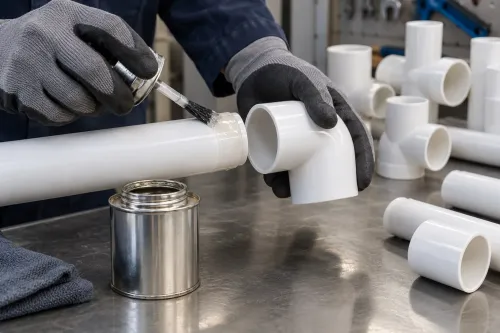
- Make a square cut, deburr the inside and outside edges, and bevel the pipe end where the system instructions require it.
- Dry-fit the components, check alignment, and mark the socket insertion depth on the pipe.
- Remove moisture, dirt, oil, old adhesive, paint, softened plastic, and brittle material from every mating surface.
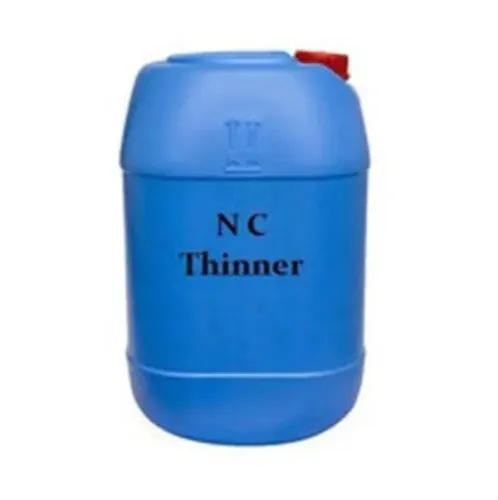
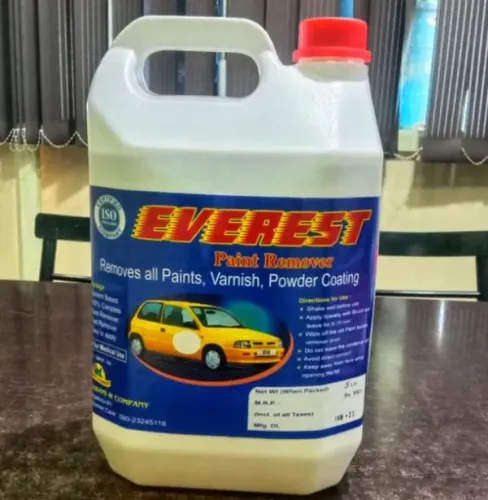
- Use the specified PVC cleaner. If the instructions require primer, use the specified PVC primer—not paint thinner, a general-purpose solvent, or a paint-removal product.
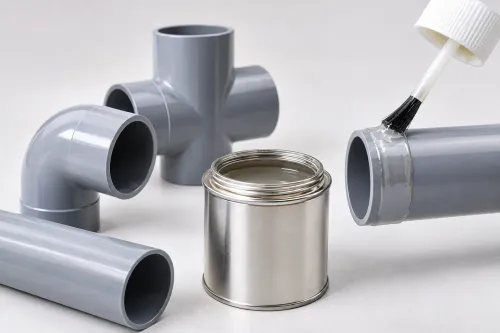
- Apply compatible cement evenly to the marked insertion area and socket, then assemble while the cement remains wet.
- Seat the pipe fully and follow the product instructions about any quarter-turn. Do not twist a fitting after it has bottomed unless those instructions permit it.
- Hold the joint in position during the initial set.
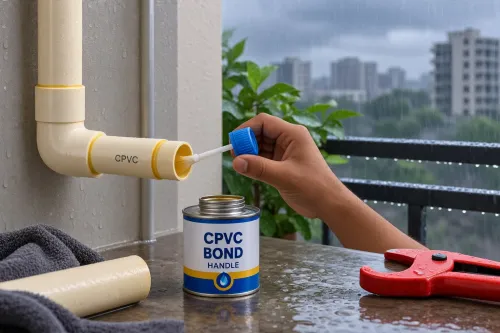
A cpvc bond for pipe repairs is not interchangeable with PVC cement; match the product to the pipe system. Ventilate the work area, remove ignition sources, wear chemical-resistant gloves and eye protection, and keep the current SDS available.
If the pipe is wet, moving, or impossible to cut and align, use an engineered mechanical repair instead.
How long should the repair cure before pressure testing?
A nominal set time is not full cure. Set the pressure-test interval from the exact product cure table and pipe-system installation standard: pipe diameter, cement type, joint fit, ambient temperature, humidity, and line pressure all affect it. Bangalore monsoon work adds condensation, rain, and water trapped inside a socket.
1. Keep the joint dry throughout assembly and curing. Water on the socket or inside the joint can prevent proper bonding, even when the cement surface feels firm.
2. Wait the stated cure interval for the actual diameter and conditions, then refill the line gradually. Vent trapped air before increasing pressure.
3. Inspect every repaired joint for movement, seepage, or separation. Do not restore full pressure immediately; an uncured joint can leak or pull apart.
4. Record the product name, batch or lot number, expiry or shelf-life information, pipe material, ambient conditions, cure interval, test pressure, and inspection result.
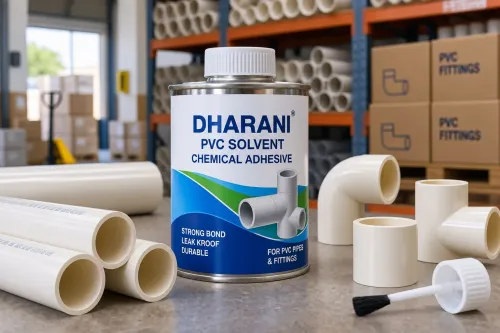
Before buying from a pvc solvent cement Bangalore supplier, request the technical data sheet, SDS, ASTM or Indian standard reference, substrate compatibility, maximum service temperature, pressure limits, and chemical-service guidance. Dharani and Company belongs in the comparison only if its documents identify those limits.
“Industrial grade” and “heavy duty” do not prove certification, potable-water approval, or chemical compatibility.
Related products
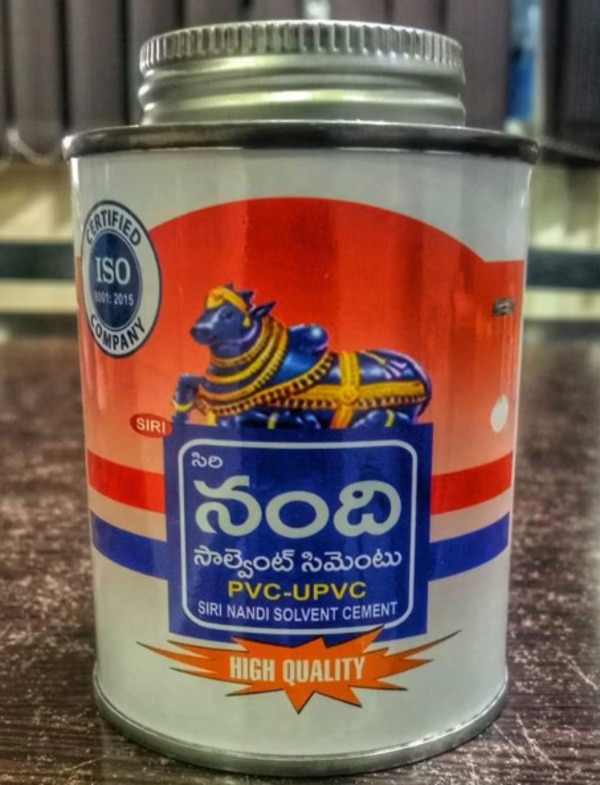
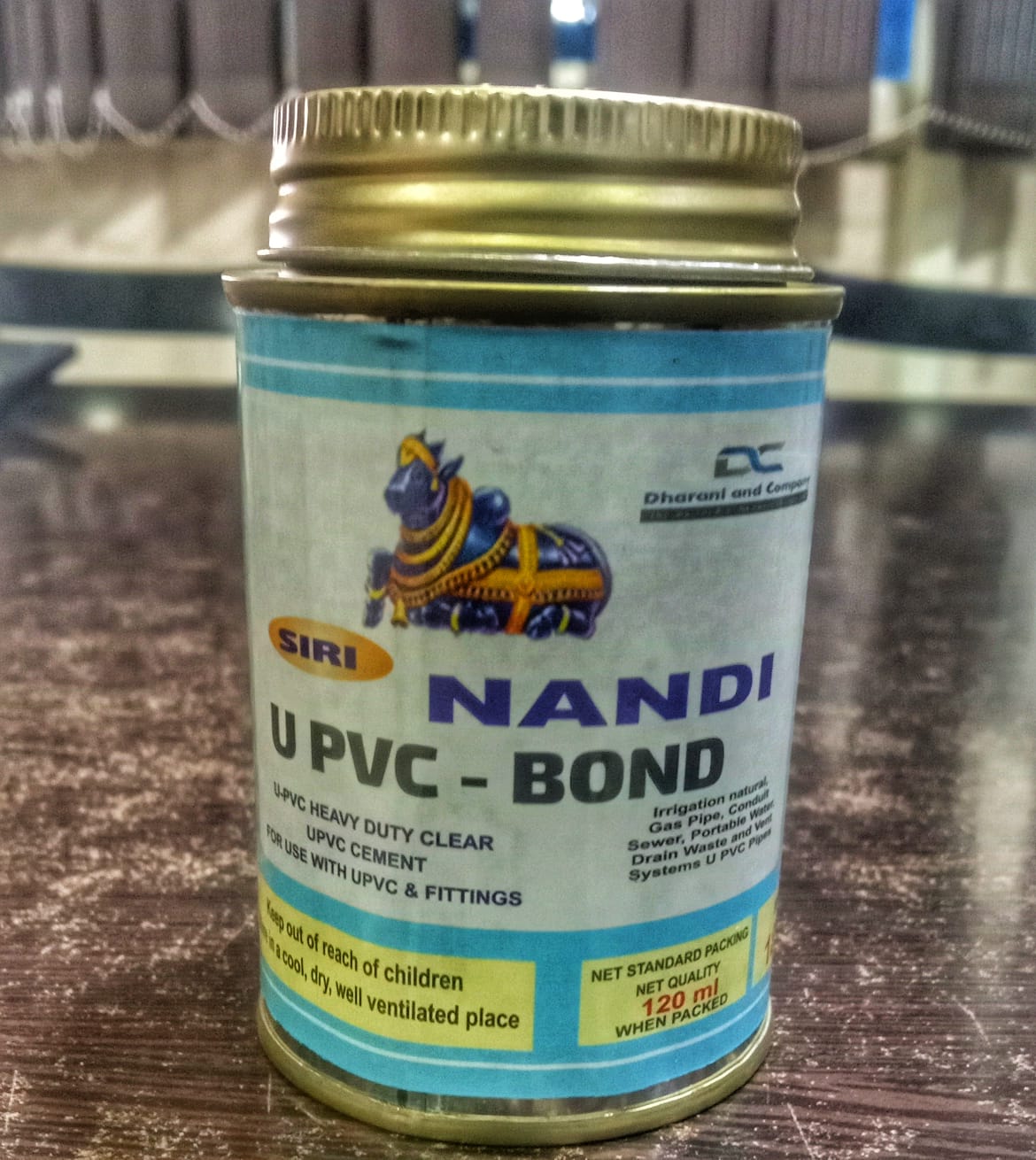 | UPVC SOLVEN CEMENT As a leading UPVC Solvent Cement manufacturer, we pride ourselves on delivering high-quality chemical solutions tailored to the specific needs of the... View product → |
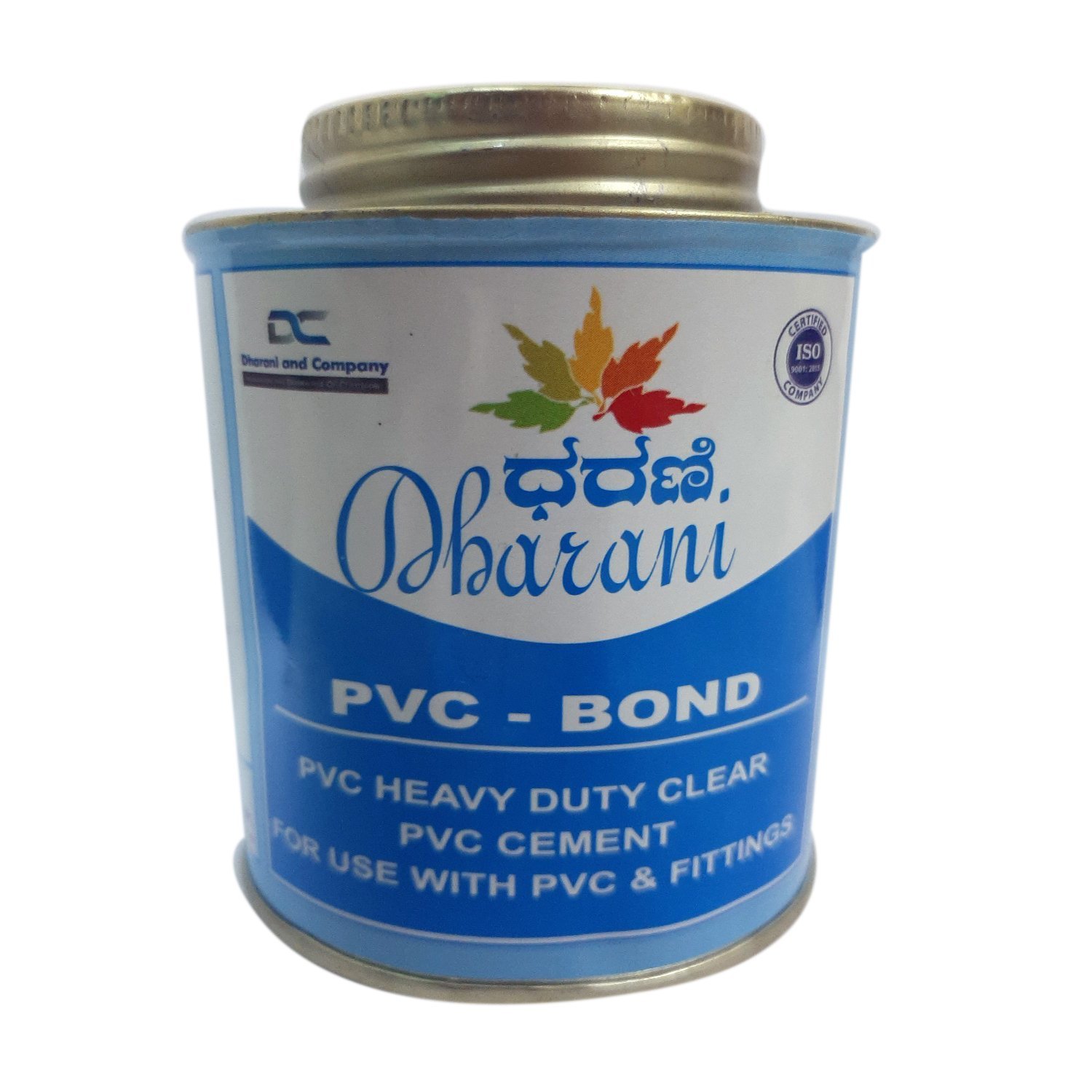 | PVC SOLVENT As a leading PVC solvent manufacturer, we take pride in delivering top-notch chemical solutions tailored to industrial needs. View product → |
What should you check before choosing an industrial repair adhesive?
Choose by the complete repair specification, not by colour, viscosity, drying speed, or the phrase industrial pipe adhesive Bangalore. Confirm the pipe material, socket-and-spigot system, pressure class, diameter range, fluid chemistry, operating temperature, and whether the line serves potable water, drainage, process fluid, or chemical service.
| Option | Check | Why it matters |
|---|---|---|
| PVC solvent cement | PVC pipe, matching fittings, documented pressure and temperature limits | Suitable only for a compatible solvent-weld joint |
| CPVC cement | CPVC substrate and CPVC specification | PVC cement is not automatically suitable for CPVC |
| Other adhesive | HDPE, PPR, ABS, metal, or rubber-lined pipe | These materials require their own joining method |
| Mechanical repair | Wet, moving, inaccessible, or continuously operating line | Use an approved coupling, replacement spool, or engineered clamp |
Request the technical data sheet, SDS, batch traceability, shelf-life or expiry information, applicable ASTM or Indian standard reference, and cure table. A claim of “industrial grade” proves none of these limits.
Check the container for:
- A batch number, expiry or shelf-life information, intact seal, and storage instructions.
- Original, tightly closed packaging stored away from heat, direct sunlight, ignition sources, and contamination.
- No thickening, skin formation, gel particles, or major change in specified consistency. Quarantine it; never dilute it with an unapproved thinner.
Reject cement whose data sheet does not name the pipe material or whose repair depends on bonding wet, oily, painted, softened, or moving plastic. Choose PVC solvent cement only for a sound, compatible, cut-and-reassembled PVC solvent-weld joint with documented service limits and cure procedure.
Frequently asked questions
Does PVC solvent cement suit every industrial pipe repair?
No. Use it only with compatible PVC solvent-weld systems. Do not use it for HDPE, PPR, rubber-lined steel, or unrelated pipe materials.
How can you tell whether the failure is a joint problem or pipe-wall damage?
Inspect the socket, fitting, and joint line for separation or cracking. A hole, split, abrasion, or thinning in the pipe wall requires a replacement section or approved repair method.
How do you make a sound solvent-weld replacement?
Cut back to sound pipe, use a correctly sized replacement and fittings, clean and dry the surfaces, apply compatible cement, fully seat the joint, and hold it in position.
How long should a repair cure before pressure testing?
Use the cement manufacturer’s stated cure time for the pipe size, temperature, humidity, and service pressure. Do not pressure-test before that time has elapsed.
What should you check before choosing an industrial pipe adhesive?
Check pipe material, diameter, pressure, temperature, chemical service, joint design, product compatibility, batch details, application instructions, and cure requirements.
Related products
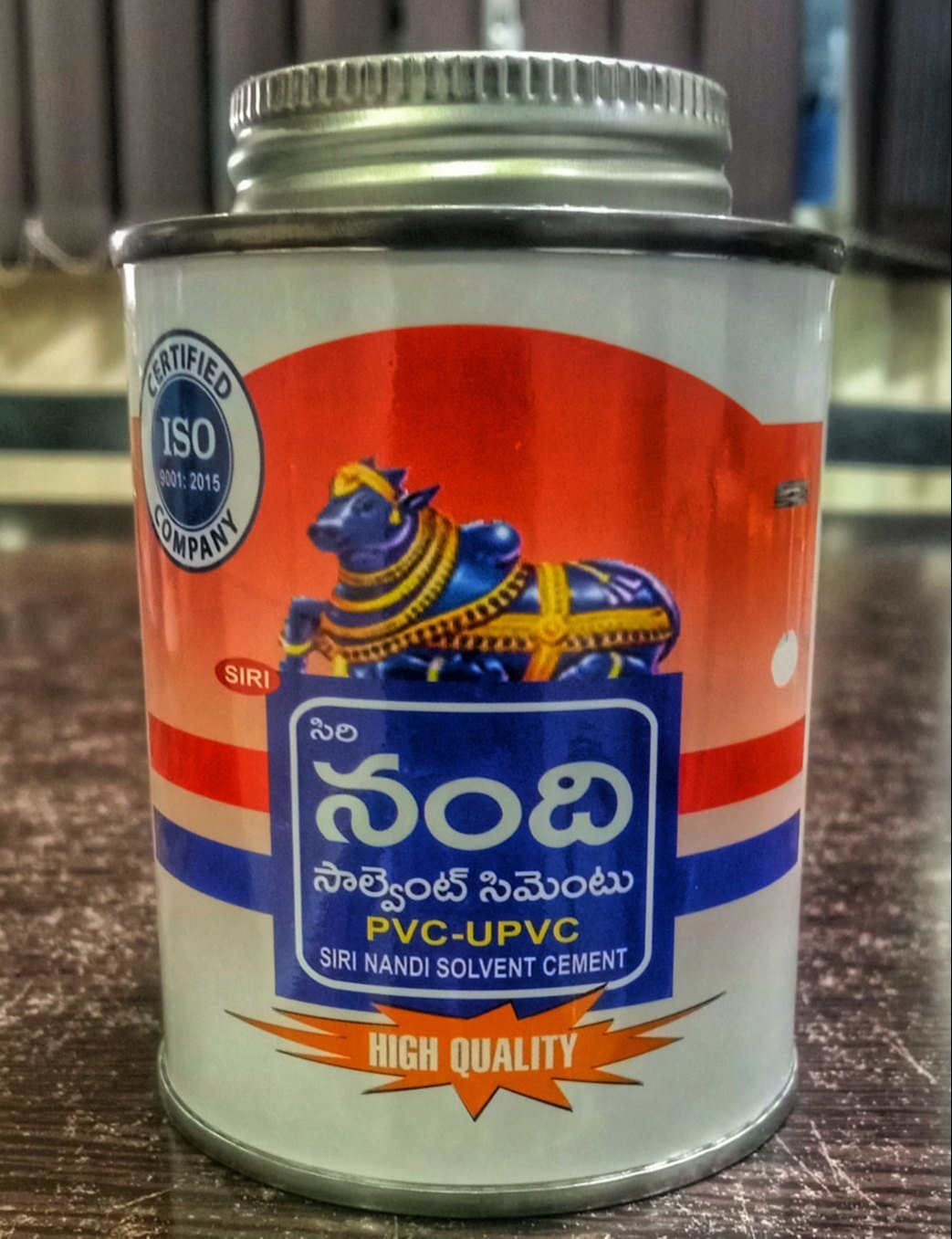 | PVC SOLVENT Siri Nandhi stands as a reputable PVC solvent manufacturer, delivering quality chemical solutions to meet industrial demands. View product → |
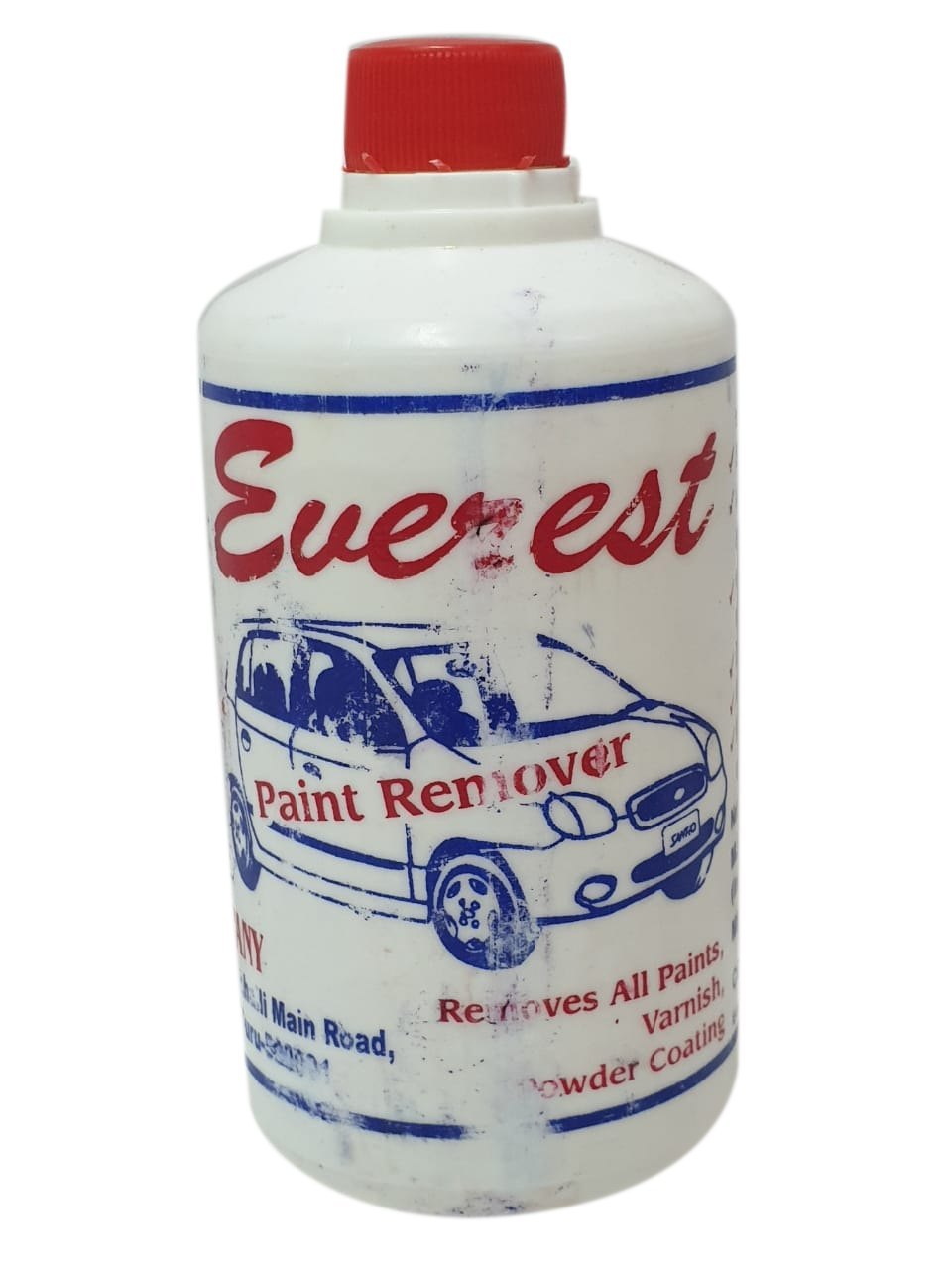 | Paint Remover Everest Paint Remover is a trusted solution for efficient paint removal. View product → |
Keywords