A pipe plant needs different solvent decisions for coating work, equipment cleaning, surface preparation, and solvent-cement joining. By the end, you will be able to match a solvent to the pipe resin, contamination, printing process, and joint system instead of choosing only by the label “NC thinner.”
Key takeaways
- Verify the coating, ink, or tooling task before selecting NC thinner.
- Test solvent compatibility on the exact pipe substrate before production use.
- Keep cleaning solvents separate from PVC, UPVC, and CPVC bonding products.
- Specify substrate, residue limits, packaging, and documentation when buying solvent.
Match the solvent to the pipe-manufacturing task
Use NC thinner only for a verified coating, ink, or tooling task; choose a dedicated cleaning solvent when the surface will become part of a pipe joint or remain exposed.
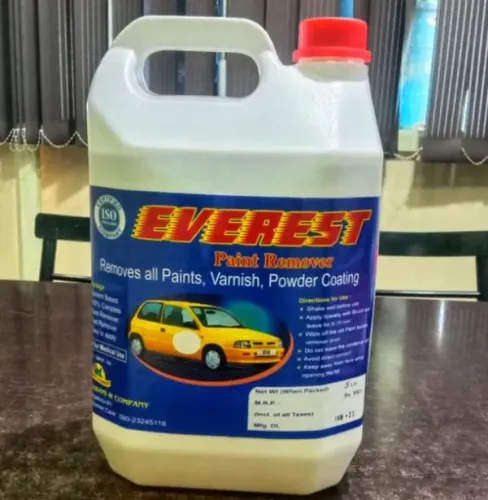
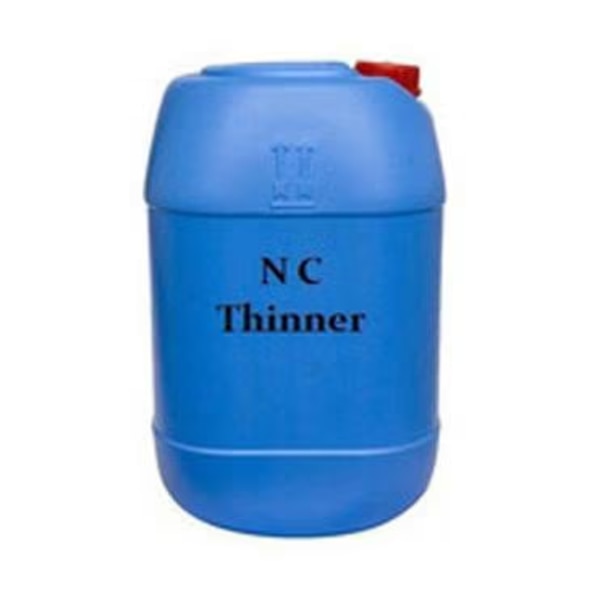
NC thinner usually means nitrocellulose-lacquer thinner, not a chemically fixed formula. Commercial blends can contain ketones, esters, aromatic hydrocarbons, and alcohols in different proportions, so the same product name can hide very different substrate risks.
| Task | Solvent decision | Main control |
|---|---|---|
| Extrusion-line wipe-down | Use a verified cleaner for processing residue, grease, or dust | Do not leave softened or tacky plastic |
| Socket or spigot preparation | Use the specified PVC or CPVC cleaner | Keep this separate from general degreasing |
| Printer and ink cleanup | NC thinner can suit a compatible ink system | Confirm print adhesion and coating compatibility |
| Tooling maintenance | Use an approved equipment or tooling solvent | Protect seals, paint, and machine finishes |
| Adhesive-area cleaning | Use the adhesive system’s specified cleaner | NC thinner is not an improvised primer |
| Final inspection | Use a low-residue cleaner after compatibility testing | Prevent haze, residue, and print damage |
These are three separate requirements: external grease and dust removal, equipment cleaning, and pipe-joint preparation. A thinner selected for ink or tooling should not automatically touch PVC, CPVC, UPVC, HDPE, PP, rubber seals, or a bonding surface.
“nc thinner bangalore” names a market category. “cleaning solvent for manufacturers” identifies a process requirement; specify the contamination, substrate, and next operation before buying.
Check substrate compatibility before production use
Approve a cleaning solvent for manufacturers against the actual pipe material and attached components, not its label or cleaning strength. NC thinner can soften, swell, whiten, dull, craze, or stress-crack PVC, CPVC, and UPVC; HDPE and PP can show swelling, tackiness, or surface dulling.
Rubber seals can swell or lose elasticity, while metal tooling, painted surfaces, and printing inks can suffer discoloration, coating lift, or loss of print adhesion.
1. Identify every exposed material: PVC, CPVC, UPVC, HDPE, PP, rubber seals, metal tooling, paint, and printing ink. Ask the solvent supplier for compatibility information and record the proposed contact time.
2. Use a clean sample from the actual production batch. Mark a hidden, measured area and keep an untreated comparison area.
3. Apply the proposed solvent to a lint-free cloth, then wipe the marked area once using the recorded contact time. Do not flood a pipe end or joint.
4. Inspect immediately and again after the specified flash-off period. Check appearance, tack, whitening, dullness, cracks, discoloration, odour, print adhesion, and coating lift; check dimensions or mass where swelling or material loss matters.
5. Record the result. Fast evaporation is not proof of compatibility: rapid flash-off can increase vapour exposure, redeposit contamination, or hide delayed damage.
Run a documented production trial before approval. Retain accepted samples and examine the finished surface, worker exposure, and cement-joint performance after the specified cure when the solvent is used near a joint. Reject the product if any unintended surface change or print-adhesion loss appears.
Compare NC thinner with alternative cleaning solvents
Cleaning strength alone is the wrong selection test: a fast solvent can soften PVC, lift print, or damage a gasket before it evaporates. Compare the actual contamination, pipe resin, coating, and next process before choosing.
| Solvent | Strength, speed, residue | Substrate risk, odour, flammability | Likely use |
|---|---|---|---|
| NC thinner | Strong and fast; residue varies because the blend varies | High uncertainty on PVC, CPVC, UPVC, HDPE, PP, rubber, and coatings; strong odour; flammable | Compatible nitrocellulose coatings, some ink systems, and selected metal-tooling tasks |
| Acetone | Very strong and very fast; low residue | High plastic, ink, and coating attack risk; sharp odour; highly flammable | Confirmed metal tooling or spot cleaning away from sensitive plastics |
| Methyl ethyl ketone | Strong and fast; low residue | Significant plastic and coating attack; strong odour; highly flammable | Heavy equipment or tooling contamination after compatibility testing |
| Isopropyl alcohol | Moderate cleaning; fast evaporation; low residue | Lower risk, but verify plastics, inks, and seals; noticeable odour; flammable | Light oils, fingerprints, dust, and final inspection |
| Mineral spirits | Moderate on grease; slow evaporation; greater residue | Higher odour burden; flammable; can leave a film or swell some materials | Greasy external residues on verified, non-bonding surfaces |
| PVC or CPVC cleaner | Formulated for its specified joining system; evaporation follows the product | Do not assume universal compatibility or degreasing ability; flammable | Pipe-joint preparation, not general plant cleaning |
NC thinner is a market category; “NC thinner Bangalore” does not specify a pipe-safe formulation. Choose the mildest verified solvent that removes the actual contamination without compromising the next process.
Keep cleaning separate from PVC, UPVC, and CPVC bonding
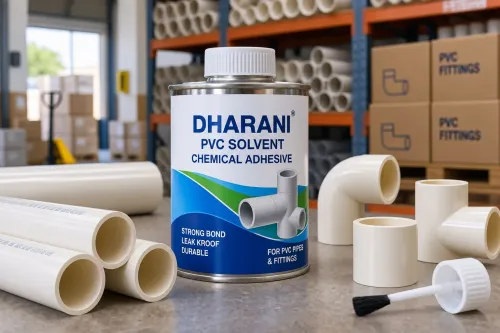
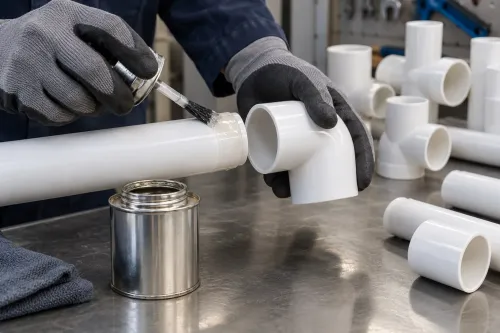
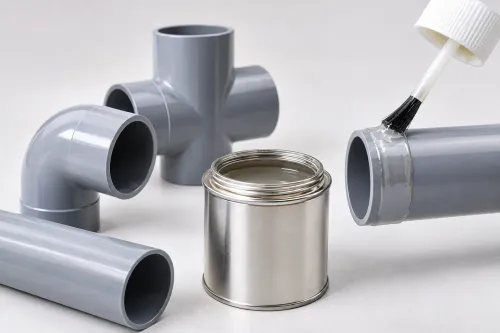
Before solvent-cement joining, use a PVC solvent cleaner to remove dirt, grease, ink, and processing contamination; use solvent cement to bond. Cleaner prepares the surface, while cement chemically softens compatible pipe and fitting surfaces and leaves resin in the joint.
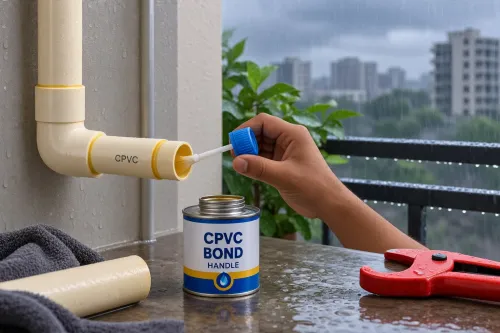
“CPVC bond solvent” means CPVC solvent cement, not ordinary NC thinner. ASTM F493 covers CPVC solvent cements, ASTM D2564 covers PVC solvent cements, and ASTM F656 covers primers used before solvent cementing. PVC and CPVC cements are not interchangeable because of colour or drying speed; select each for its specified pipe-and-fitting system.
Clean the joint in this order:
- Remove loose dirt from the pipe and fitting.
- Apply the verified cleaner to a lint-free cloth. Do not flood the pipe or fitting.
- Wipe until the surface is clean.
- Allow the surface to flash off for the period stated in the cleaner’s instructions.
- Keep dust and water away, and do not use oily rags that can recontaminate the surface.
Do not use NC thinner as an improvised primer. A primer is a separate, qualified product that controls wetting and surface softening.
For any joint, follow the cement manufacturer’s instructions for fit, application amount, temperature, humidity, primer use, handling, and cure time. Use ASTM F402 guidance where applicable; a fixed universal cure time is not defensible.
Write a purchase specification for an industrial solvent supplier
Buy against a process specification, not “NC thinner Bangalore.” An industrial thinner supplier bangalore brief should name the substrate, contamination and task: extrusion wipe-down, tooling, printing, adhesive area or joint preparation.
1. Require the supplier to state the pipe resin and intended use, then provide the current SDS and batch COA. Specify density, flash point, water content, non-volatile residue, vapour-pressure or odour limits, packaging, shelf life and batch traceability. “High-strength,” “fast-drying” and “premium NC thinner” are marketing claims unless tied to measurable acceptance criteria.
2. Read the actual SDS for composition hazards, vapour pressure and flash point. Do not infer them from “thinner”; NC blends can contain ketones, esters, aromatic hydrocarbons and alcohols in different proportions.
3. Approve storage and handling controls: closed containers, mechanical ventilation, ignition-source exclusion, bonded and grounded transfer, static-risk control, compatible spill materials and a written spill response. Apply Karnataka fire requirements, the Factories Act, 1948, applicable State Factories Rules and current occupational-safety directions.
4. Trial the solvent on production PVC, CPVC, UPVC, HDPE, PP, seals, ink and coatings. Record whitening, swelling, tack, dulling, cracking, print adhesion, odour, worker exposure and cement-joint performance after the specified cure; retain accepted samples.
For a comparison brief reading “nc thinner or cleaning solvent for pipe manufacturing bangalore,” Dharani and Company can review the intended resin, contamination, printing or joint stage, sample approval, SDS and batch documents before selection.
Go only when the actual production material and next process pass the recorded trial; otherwise, do not approve the solvent.
Related products
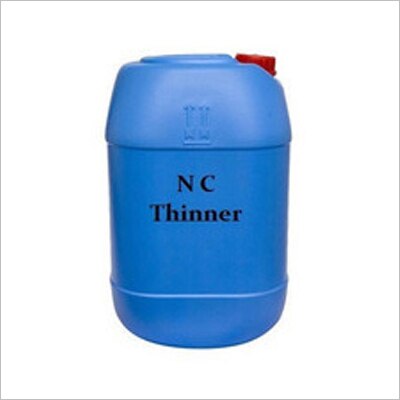 | NC THINNER As a distinguished NC Thinner manufacturer, we specialize in producing high-quality chemical solutions to cater to a wide range of industrial needs. View product → |
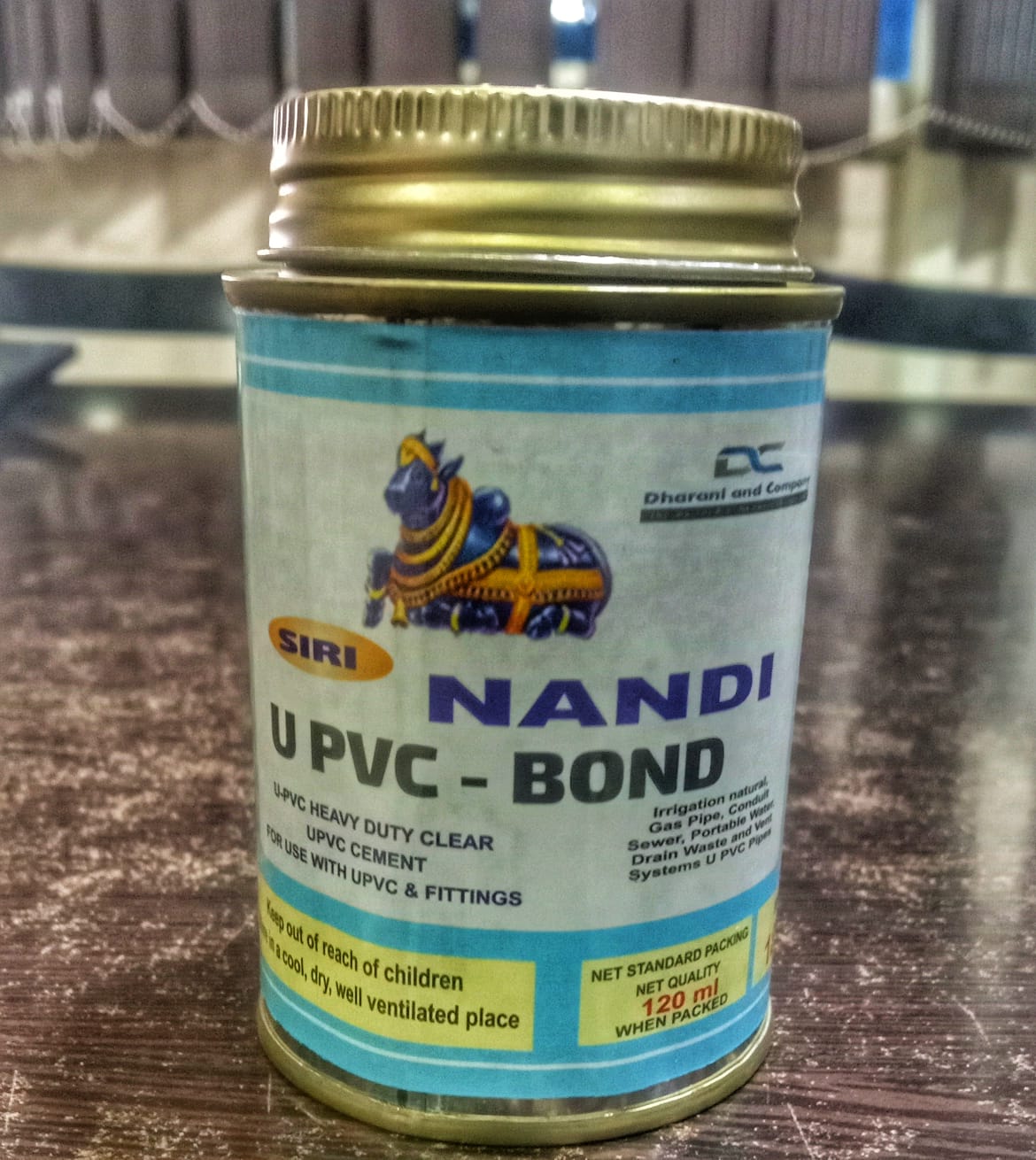 | UPVC SOLVEN CEMENT As a leading UPVC Solvent Cement manufacturer, we pride ourselves on delivering high-quality chemical solutions tailored to the specific needs of the... View product → |
Frequently asked questions
When should you use NC thinner in pipe manufacturing?
Use NC thinner only after verifying that the coating, ink, adhesive residue, or tooling material is compatible with its solvent blend. Do not use it by default on pipe surfaces intended for bonding.
How do you check solvent compatibility with pipe substrates?
Test the solvent on the exact PVC, UPVC, CPVC, metal, or coated surface. Check for softening, swelling, whitening, cracking, tackiness, colour transfer, and residue after evaporation.
What is the difference between NC thinner and a dedicated cleaning solvent?
NC thinner is formulated for tasks such as thinning nitrocellulose coatings, while a dedicated cleaning solvent is selected for controlled soil removal, evaporation, residue, and substrate safety.
Can cleaning solvent be used as CPVC bond solvent?
No. Use a CPVC solvent cement system specified for CPVC joining. A general cleaning solvent does not provide the resin and chemical action required to form a reliable joint.
What should an industrial solvent purchase specification include?
State the intended task, substrate, cleaning performance, residue limit, evaporation requirement, container size, batch identification, safety data sheet, and required regulatory documents.
Related products
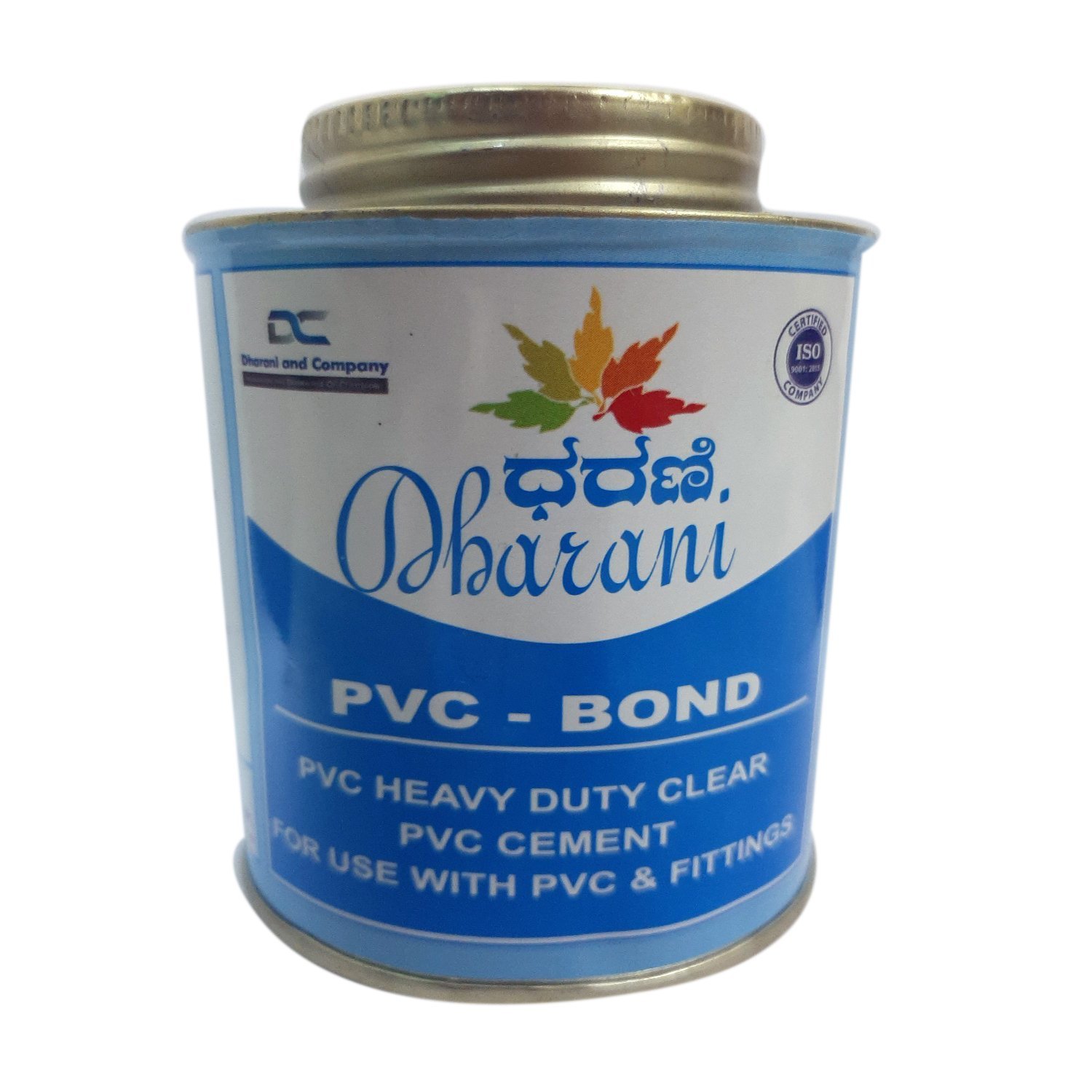 | PVC SOLVENT As a leading PVC solvent manufacturer, we take pride in delivering top-notch chemical solutions tailored to industrial needs. View product → |
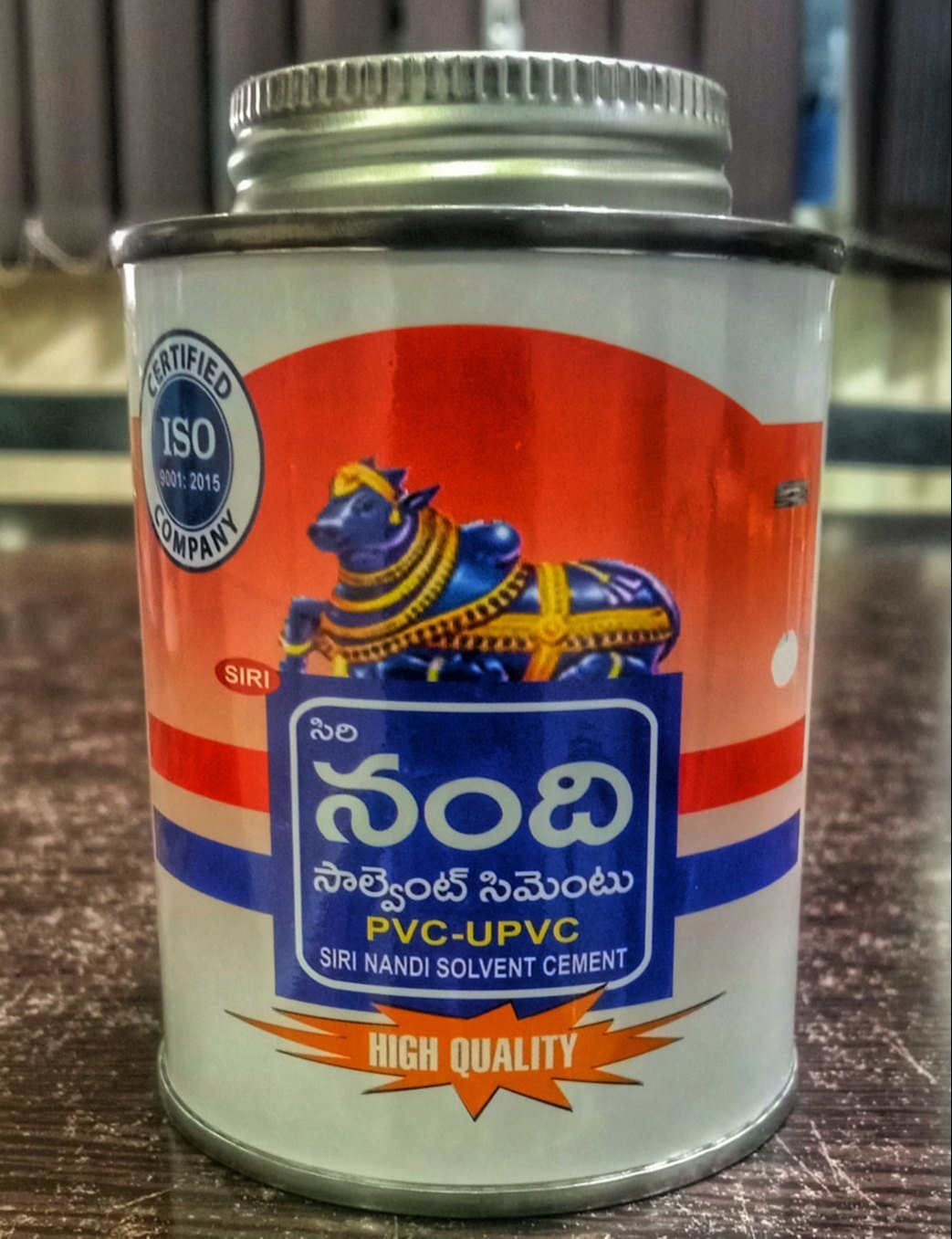 | PVC SOLVENT Siri Nandhi stands as a reputable PVC solvent manufacturer, delivering quality chemical solutions to meet industrial demands. View product → |
Keywords