NC thinner is a solvent blend for nitrocellulose lacquer, not a universal substitute for every coating reducer or cleaning solvent. By comparing resin compatibility, application method, evaporation behaviour, film defects and supplier documentation, you can select the correct thinner for the coating and process used at your site.
Key takeaways
- Use NC thinner only with compatible nitrocellulose lacquer systems.
- Match thinner evaporation speed to spray conditions and required finish.
- Reduce lacquer gradually and test spray viscosity before full production.
- Ask Bangalore suppliers for SDS, COA, batch traceability and licence documents.
What NC thinner is—and which coatings it is designed to serve
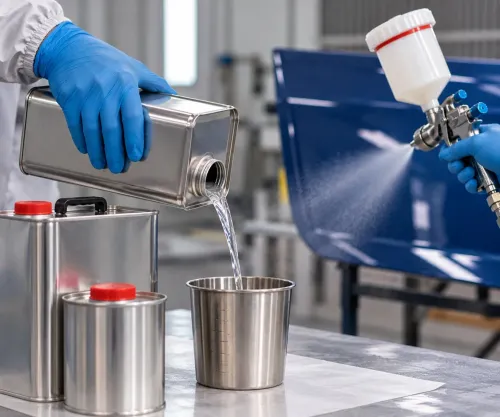
NC thinner is a solvent blend formulated for nitrocellulose lacquer, not a universal industrial thinner. It dissolves nitrocellulose resin and uncured lacquer residues, allowing you to reduce spray viscosity, improve atomisation, flush equipment and adjust flash-off. Common ingredients include acetone, MEK, ethyl acetate, butyl acetate and amyl acetate; aromatic solvents may also be added.
The blend and evaporation rate vary by supplier.
| Coating or material | NC thinner fit | What it can dissolve or support |
|---|---|---|
| NC wood and furniture lacquer | Designed for this system | Nitrocellulose resin and uncured lacquer |
| NC metal lacquer | Usually compatible | Lacquer reduction and equipment flushing |
| Lacquer-based printing ink | Compatible only with the specified grade | Uncured ink binder and solvent adjustment |
| PU, epoxy, acrylic or alkyd | Not automatically compatible | May cause cratering, lifting, whitening or poor cure |
| Water-based or two-pack coating | Do not assume compatibility | Can disrupt film formation or re-dissolve the base coat |
Chemical compatibility exists when the coating manufacturer specifies an NC reducer for that resin system and the blend leaves a uniform, defect-free film. Test a small wet film and recoat area before production; check flow, gloss, drying, hardness and adhesion.
For a search such as nc thinner applications compared with industrial thinners bangalore, compare the NC lacquer system used at the site, not the city’s chemistry. Temperature, humidity, ventilation and storage conditions still affect the correct grade.
An nc coating solvent that evaporates too fast causes dry spray and roughness; one that evaporates too slowly prolongs dust pickup and solvent retention.
NC thinner versus PU, epoxy, acrylic and general-purpose industrial thinners
NC thinner belongs with nitrocellulose lacquer, not with every coating sold as an industrial finish. Across industrial thinner applications, choose by resin compatibility, evaporation profile and water content—not by how aggressively the liquid cleans a spray gun.
| Coating system | Suitable thinner category | Main difference |
|---|---|---|
| NC lacquer | NC thinner | Balances dissolution, atomisation and flash-off for lacquer films |
| Two-component PU | PU thinner | Matches polyurethane solvents without disturbing catalyst-driven curing |
| Epoxy | Epoxy thinner | Supports resin flow while limiting blush, cratering and cure interference |
| Acrylic | Acrylic thinner | Matches the acrylic resin and its required drying and gloss profile |
| Alkyd or general cleaning | Synthetic-enamel or cleaning solvent | May clean effectively but can dry too slowly, leave residue or damage a coating |
A practical industrial thinner comparison uses the actual substrate and film thickness. Test the incumbent and alternative at the same reduction ratio and spray settings, then record:
- Viscosity, spray pattern, atomisation and overspray dryness
- Wet-film flow, cratering, lifting, whitening, haze and gloss
- Dry-to-touch time, adhesion, hardness and recoat behaviour
The wrong solvent can soften an underlying coat, trap solvent, slow cure or cause loss of gloss. NC thinner used with PU, epoxy, water-based or other two-pack systems can produce re-dissolution, poor intercoat adhesion or surface defects even when the mixture looks clear in a beaker.
Temperature, humidity, ventilation, storage and transport time in Bengaluru affect drying, but they do not change the resin’s solvent requirements.
How to dilute and apply NC lacquer without losing spray quality
Add NC thinner in small increments to the lacquer, not to the spray cup all at once. Start with the coating manufacturer’s reduction range, mix thoroughly, and check viscosity at the actual workshop temperature; cold lacquer flows differently from warm lacquer.
1. For a conventional spray gun, reduce until the fan opens evenly without heavy edges, pulsing, or runs. Test on scrap at the planned pressure and nozzle distance, then adjust thinner before changing gun settings.
2. For HVLP equipment, use only enough NC coating solvent to achieve complete atomisation. Excess reduction produces a wet, weak film; insufficient reduction leaves orange peel, spitting, and a narrow pattern. Keep the gun moving and compare the wet film under the same lighting used for production.
3. For brushing, add less thinner than you would for spraying. The brush should level before the lacquer sets, but it must not leave curtains, drag marks, or a film so thin that the substrate shows through.
4. For wiping, reduce only enough to wet the cloth and spread the lacquer without streaking. A heavily thinned mix evaporates before it levels and can create patchy colour.
Confirm the dilution with the specified viscosity cup and record the result, spray pressure, nozzle, temperature, and recoat time. Correct reduction gives a uniform fan, smooth wet film, predictable flash-off, dry overspray rather than strings, and no oily residue after evaporation.
For nc thinner applications compared with industrial thinners bangalore, compare these results on the actual coating, substrate, and local humidity—not by solvent name or price.
Drying speed, humidity and the difference between coating reduction and cleaning
Changing NC thinner changes more than spray viscosity: it controls flow, gloss, drying, hardness and solvent entrapment. A fast blend can dry before the wet film levels, causing dry spray, roughness and low gloss; a slower blend improves flow and gloss but increases sagging, dust pickup and drying time.
| Condition | Film result | Main risk |
|---|---|---|
| Fast evaporation, hot air or high airflow | Rapid surface drying | Poor flow and trapped solvent beneath a skin |
| Slower evaporation | Better levelling and gloss | Sagging, longer recoat time and softer film |
| High humidity plus rapid evaporation | Cooling of the wet film | Blushing: milky appearance and gloss loss |
Use a slower grade or formulated retarder when humidity and rapid flash-off cause blushing, then confirm the recoat interval. Excess thinner, heavy film build and wet compressed air worsen solvent entrapment; the surface may feel dry while the film remains soft.
Industrial thinner applications require checks for spray pattern, overspray dryness, flash-off, film appearance and residue after evaporation. A gun-cleaning solvent serves a different purpose: it prioritises strong solvency and low residue for removing dried lacquer, not balanced evaporation and film formation.
Used as a coating reducer, it can dry too fast, attack the substrate, alter gloss or leave contamination. Test a wet film and recoat before substituting it.
How to approve an NC thinner supplier in Bangalore
Do not approve a replacement on the label “NC thinner.” Ask an nc thinner supplier bangalore for the current SDS and COA, plus density, water content, non-volatile residue, distillation or evaporation range, flash point, colour, and batch identification.
The name alone does not specify a blend; an industrial thinner comparison is useful only when it matches your lacquer system and site conditions.
Request these checks before purchase:
- Confirm the blend is intended for nitrocellulose lacquer, not only cleaning, alkyd, PU, or epoxy use.
- Compare the candidate’s documents with the incumbent’s figures and set permitted differences for viscosity, drying, gloss, and residue.
- Check transport time, warehouse temperature, humidity, ventilation, ignition sources, and storage beside oxidising materials. Follow the candidate SDS for fire classification, closed-container storage, and glove selection.
| Check | Incumbent | Candidate | Acceptance record |
|---|---|---|---|
| Reduction ratio | Production ratio | Same ratio | No extra solvent required |
| Spray settings | Same gun, pressure, tip | Same settings | Stable atomisation and flow |
| Film result | Actual substrate and thickness | Same substrate and thickness | No haze, blush, pinholes, or sag |
| Performance | Dry-to-touch, gloss, adhesion, recoat | Same tests | Results within your approved limits |
A beaker test is not enough: spray a controlled production trial and retain panels. If Dharani and Company is under consideration, request this evidence and run the same line trial; a manufacturer’s product name is not substitution approval.
Related product
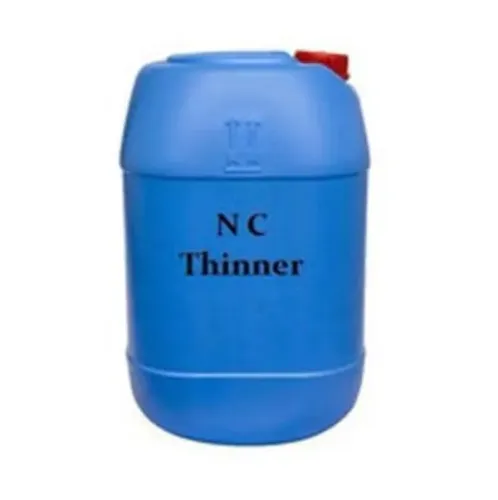
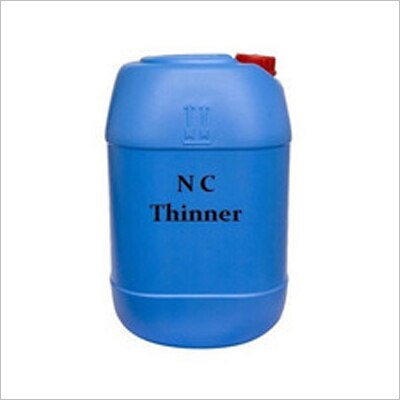 | NC THINNER As a distinguished NC Thinner manufacturer, we specialize in producing high-quality chemical solutions to cater to a wide range of industrial needs. View product → |
Frequently asked questions
What is NC thinner designed to dissolve?
NC thinner is formulated for nitrocellulose lacquer, including viscosity reduction, spray atomisation, equipment flushing and removal of uncured lacquer residue.
Can you use NC thinner with PU or epoxy coatings?
No. PU and epoxy systems require their specified reducers or thinners. Using NC thinner can cause poor curing, separation, loss of gloss or adhesion failure.
How do you dilute NC lacquer without losing spray quality?
Add the specified thinner gradually, mix thoroughly, and confirm viscosity with the application method and a test panel before production spraying.
What should you check before approving an NC thinner supplier in Bangalore?
Request the SDS, certificate of analysis, batch number, technical data sheet, consistent packaging and documented traceability. Verify that the supplier provides the required business and chemical-handling documents.
Keywords