Manufacturing teams gain from NC thinner only when it delivers a controlled application viscosity without creating defects, excess solvent use or inconsistent drying. By the end, you will know how to match the thinner to an NC coating, measure and adjust it, validate performance under Bengaluru conditions and compare suppliers by production cost rather than price alone.
Key takeaways
- Adjust viscosity instead of adding the maximum solvent volume.
- Match NC thinner to the coating formulation and spray conditions.
- Test a small blend before approving production dilution.
- Compare thinner cost with rework, rejection and acceptable-part output.
How NC Thinner Improves Application Control and Finish Quality
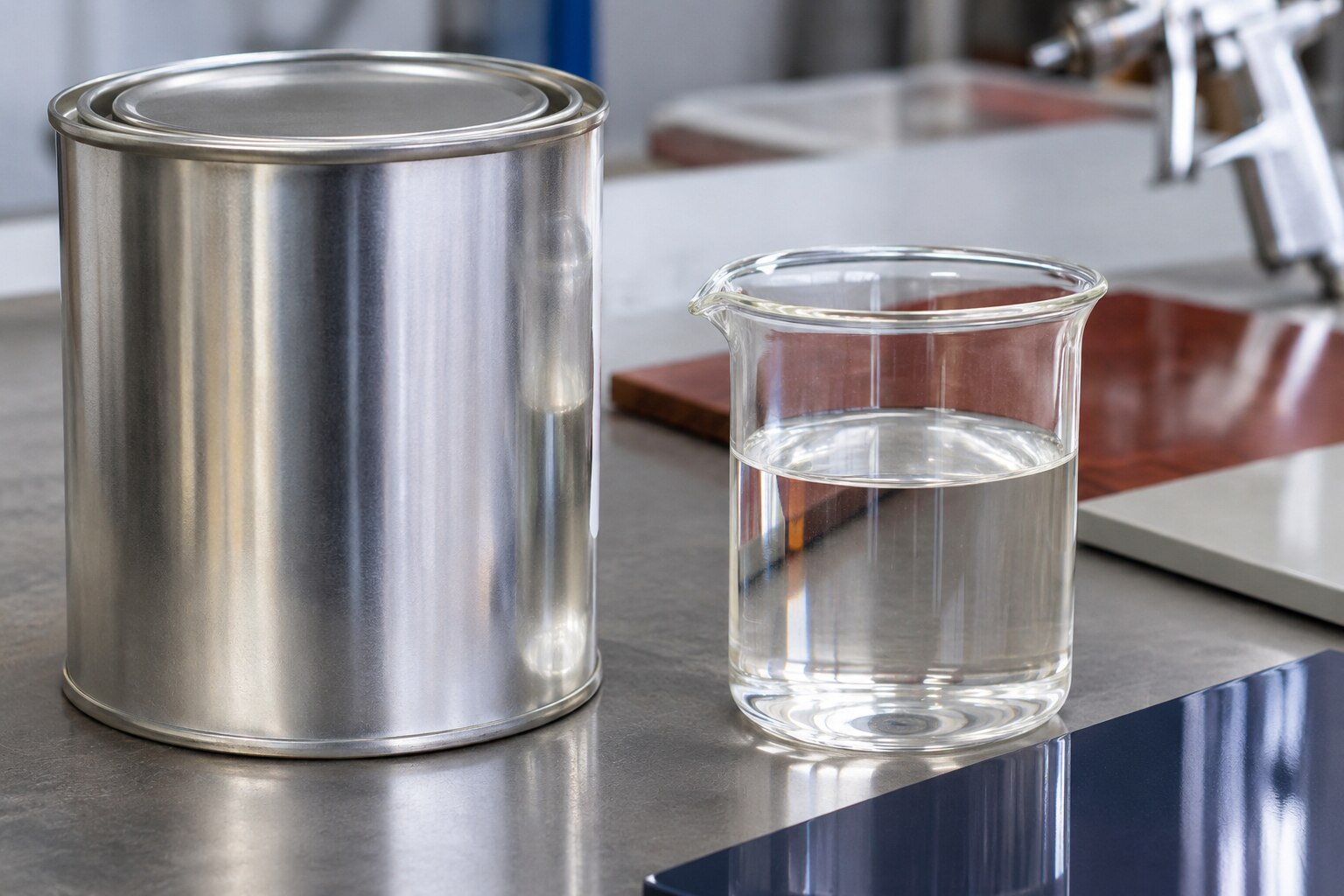
A paint line gains control from viscosity, not from adding the largest possible volume of solvent. NC thinner reduces thick NC lacquer to a sprayable consistency, helping the gun atomize material, maintain steady feed and lay down a more uniform wet film.
Better flow and levelling improve appearance and reduce orange peel, dry spray and uneven overlap.
The practical industrial NC thinner benefits are:
- More consistent spray application across operators and batches
- Improved wet-film flow before the coating flashes off
- Easier recovery of usable application viscosity between batches
- More predictable finish quality when the blend is measured at a stated temperature
Use the coating manufacturer’s technical data sheet to set the target viscosity, cup type and dilution limit; a universal thinner-to-paint ratio cannot account for every lacquer, spray gun or factory temperature. For NC thinner for manufacturing operations, approve the blend against spray pattern, wet-film appearance and final dry-film thickness before releasing it to the line.
Dilution has a cost. More solvent lowers solids per wet coat, so excessive addition can reduce hiding, promote sagging, lengthen the build schedule and trap solvent beneath the surface. It also raises volatile-organic-solvent content; faster flash-off is not guaranteed, and repeated unmeasured additions can increase solvent use while worsening defects.
Keep ignition sources away, ground dispensing equipment and provide ventilation because NC thinner is flammable.
Match the Thinner to the Coating, Not Just the Product Name
NC thinner suits nitrocellulose lacquers, NC primers, and industrial coatings whose technical data sheet names an NC solvent package. It is not a universal reducer: two products carrying the same label can differ in solvency, evaporation, water tolerance, and residue.
| Coating or product | NC thinner decision | Risk if mismatched |
|---|---|---|
| Nitrocellulose lacquer | Use when the coating maker specifies NC thinner | Poor flow, gloss loss, slow drying, or blush |
| NC primer | Use only after a panel test confirms compatibility | Weak adhesion, pinholes, or uneven hiding |
| Compatible industrial coating | Confirm the resin and solvent package in the TDS | Orange peel, soft film, or recoat failure |
| Waterborne, epoxy, or 2K polyurethane coating | Do not substitute without written formulation approval | Coagulation, curing failure, or permanent softness |
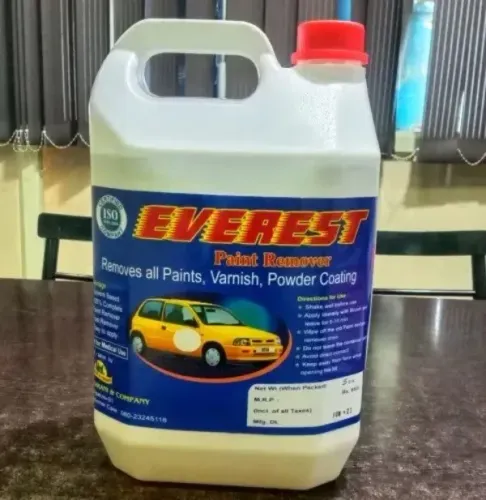
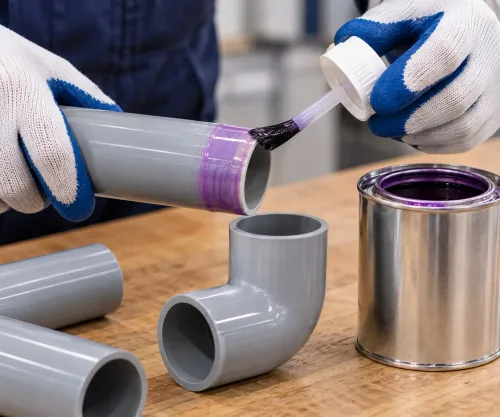
| PVC or UPVC cement, adhesive, or paint remover | Keep separate from NC thinner selection | Incorrect open time, substrate attack, or residue |
Treat nc thinner for paint applications as a coating-specific input. A lacquer that sprays cleanly with one blend can lose gloss or blush with another because resin, plasticizer, pigment load, and existing solvent package alter the required solvency.
Approve a candidate against the incumbent on the plant’s actual gun, pressure, substrate, and coating. Compare:
- Viscosity stability and spray pattern
- Flash-off, dry time, and final film thickness
- Gloss, hardness, adhesion, and hiding
- Orange peel, blush, and recoat behaviour
Set a target viscosity at a stated temperature and cup type; do not rely on a universal ratio. That discipline makes nc thinner for manufacturing operations a consistency control rather than a cheap dilution shortcut. Get the supplier’s TDS and SDS, then approve the blend through a production panel.
A Measured Method for Diluting and Testing NC Paint
Start with the coating manufacturer’s target application viscosity, not a universal thinner-to-paint ratio. Record the specified cup, temperature, spray equipment, nozzle, pressure and acceptable wet-film or dry-film thickness before mixing.
NC thinner for paint applications is a solvent blend, so confirm its compatibility in the coating TDS and compare its SDS; do not substitute PVC or UPVC solvent cement thinner or paint-remover solvent.
- Measure the required paint mass or volume into a clean, sealed mixing vessel. Note the batch number and starting viscosity.
- Add the TDS-specified starting quantity of NC thinner in small portions while stirring continuously. Never pour the full amount at once; over-dilution can cause sagging, poor coverage and a weak film.
- Allow the blend to homogenise, then measure viscosity at the stated temperature using the specified cup, such as Ford No. 4 at 25°C. Record the flow time and calculate the adjustment from that result.
- Add further thinner only in measured increments until the result falls inside the approved viscosity range. Filter the blend through the plant’s specified paint filter before spraying.
- Spray a test panel using production settings. Check spray pattern, flow, levelling, flash-off, gloss, colour, dry-film thickness and adhesion after curing.
- Approve the blend only when every result meets the written acceptance limits. Record the thinner lot, addition percentage, temperature and operator.
This disciplined method makes NC thinner for factories in Bengaluru a process-control tool rather than a repeated guess during a shift. Revalidate the blend during monsoon humidity and dry-season conditions.
Control Humidity, Flash-Off and Defects in Bengaluru Conditions
Monsoon humidity can turn a clear NC finish milky. Moisture plus rapid evaporative cooling at the wet film surface increases blushing risk, while excessive evaporation can leave dry spray, orange peel and poor levelling.
For NC thinner for factories in Bengaluru, validate one blend across the conditions that change during production:
- Dry-season and monsoon relative humidity
- Morning, afternoon and night-shift temperatures
- Normal ventilation and the strongest cross-draft near the spray booth
- Short and long flash-off intervals before stacking or force drying
Keep the test records with viscosity, temperature, humidity, wet-film thickness, dry-film appearance and flash-off time. A blend that passes on a dry morning can fail during a humid monsoon shift, so do not approve it from one test panel.
Ventilation must remove solvent vapour without blowing across freshly sprayed parts. A strong cross-draft accelerates evaporation on one side of a component, causing uneven gloss and dry edges; weak extraction extends flash-off and leaves solvent trapped under the next coat. Balance airflow, and never solve slow drying by adding thinner repeatedly without measuring viscosity.
One of the clearest industrial NC thinner benefits is consistent evaporation, not maximum dilution. Use a controlled solvent blend, monitor the booth conditions and adjust production timing when humidity rises. NC thinner is flammable: control ignition sources, static discharge, storage, dispensing and waste containers under the requirements applicable to your Bengaluru facility.
Approve the Blend by Cost per Acceptable Part
Approve an NC thinner only when it lowers cost per acceptable coated part, not when its drum price is lowest. For nc thinner benefits for manufacturing companies in bengaluru, compare the candidate with your current blend on the actual lacquer, gun, pressure, substrate and film target.
| Supplier | Evidence to compare | Disqualifying result |
|---|---|---|
| Price and supply | Price per kilogram, pack size, lead time, batch traceability and TDS/SDS | No batch number, incomplete SDS or unexplained specification changes |
| Production performance | Viscosity stability, spray pattern, flash-off, dry time, gloss, hardness, adhesion, hiding, orange peel, blush, recoat behaviour and film thickness | Defects, slower output or a failed panel at the approved dilution |
| Safety controls | SDS hazard classification, ventilation requirement, ignition control, storage instructions, spill response and worker PPE | Operators cannot identify controls or the blend is used outside its SDS guidance |
| Total process cost | Thinner use, coating solids, cleaning consumption, rework, rejected batches, drying time and labour | Savings disappear after rejects, cleaning or downtime |
Run the comparison in dry-season, monsoon, shift-time and high-humidity conditions. Humidity and rapid evaporative cooling can expose a blend that looked acceptable on one afternoon.
Whether you evaluate Dharani and Company or another supplier, request the TDS, SDS, compatibility statement and batch sample before approval. Record solvent consumption and count only parts passing appearance, adhesion and thickness inspection; that figure is the meaningful nc thinner for factories in bengaluru.
Related product
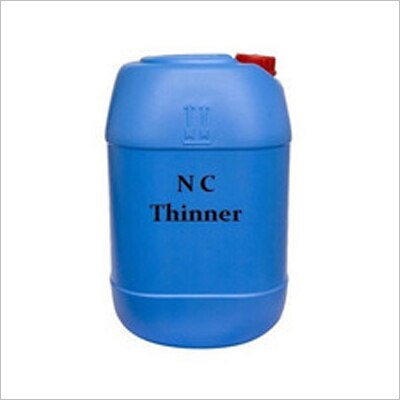 | NC THINNER As a distinguished NC Thinner manufacturer, we specialize in producing high-quality chemical solutions to cater to a wide range of industrial needs. View product → |
Frequently asked questions
How does NC thinner improve NC paint application control?
It reduces lacquer viscosity so the spray gun can atomize the coating, maintain steady feed and produce a more uniform wet film.
How do you choose NC thinner for a coating?
Match the thinner to the NC coating formulation, application method, target viscosity, evaporation behaviour and finish requirements rather than relying on the product name alone.
How should you dilute and test NC paint?
Measure the coating and thinner, record the blend ratio, mix a small trial batch, check spray behaviour and inspect the dried finish before releasing the blend to production.
Which Bengaluru conditions affect NC thinner performance?
Ambient humidity, temperature, airflow and flash-off time affect drying and defects such as blushing, runs, orange peel and poor flow, so control and record them during trials.
How should a factory compare NC thinner costs?
Compare the thinner cost with coverage, rework, rejected parts, labour and downtime, then approve the blend that delivers the lowest cost per acceptable part.
Keywords