A five-litre container does not prove that the remover is strong enough for every coating, and a failed result does not prove that the batch is defective. Diagnose the coating, application conditions, substrate, product condition and cleanup method in sequence before applying more chemical or abandoning the job.
Key takeaways
- Test a hidden patch containing every coating layer and the actual substrate.
- Match dwell time and remover type to the coating, not the container size.
- Stop if the substrate is damaged, fumes are uncontrolled, or the batch is suspect.
- Use technical data to calculate coverage, reapplication needs, and five-litre job requirements.
Start with a controlled test patch before treating the whole surface
A failed five-litre remover is not proven by one weak scrape. Test a small, hidden area containing the actual substrate and every coating layer; a softened topcoat can conceal bonded primer, enamel, epoxy, polyurethane or powder coating beneath it.
1. Clean and dry the patch, then apply an even film at the thickness stated in the product’s TDS. Do not thin it or mix it with thinner, acid, bleach, caustic cleaner or another remover.
2. Keep the patch wet, covered or exposed exactly as instructed. Record the start time and wait the stated dwell period; direct sun, hot metal, low temperature, dampness and contamination can shorten the working window or prevent consistent wetting.
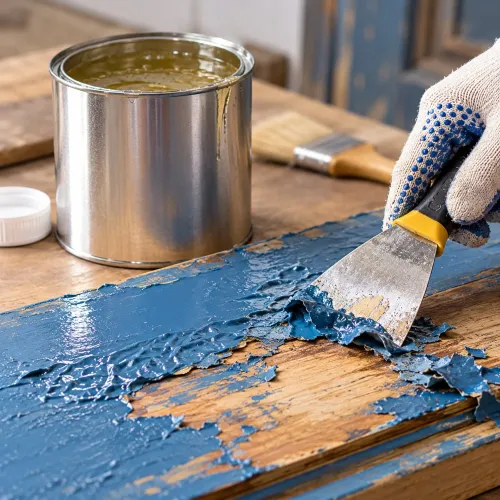
3. Scrape promptly with a tool suited to the substrate. If the paint wrinkles but stays attached, remove the softened bulk, clean residues by the stated method, and try a second controlled coat only within the instructions.
4. Compare the result with an untreated patch. No softening after correct coverage, temperature, dwell time and scraping points toward a coating mismatch, incompatibility or defective product; partial lifting points toward layered paint or an application problem.
5. Stop if wood darkens or rises, metal corrodes, plastic softens, rubber swells or the substrate changes colour. Record the batch number and conditions before reporting the result.
For paint remover troubleshooting bangalore, compare a shaded patch with one in direct sun. This isolates site conditions from paint remover application problems before you commit the remaining product.
Match the remover to the coating and correct the application failure
Change the coating match or the application, not the pack size. Check the product’s SDS and TDS for active chemistry, approved coating types, minimum wet-film thickness, dwell time and substrate limits. Solvent-based, caustic, benzyl-alcohol and dimethyl-sulfoxide-based removers do not perform interchangeably.
For paint stripping problems with five litre remover, work through this sequence:
- Identify the coating: oil-based paint and enamel may respond differently from polyurethane, epoxy, powder coating, automotive finishes, acrylic or emulsion paint. A remover that wrinkles acrylic can leave epoxy untouched.
- Degrease the patch if oil, wax, silicone, polish, dust or corrosion causes beading or sharply defined untouched spots. Let it dry before retesting.
- Apply the stated wet-film thickness in a small section. A thin coat spread too far, direct sun or strong airflow can dry the remover before it reacts.
- Keep the section wet for the stated dwell time. Cover it only when the instructions permit; extra dwell can damage wood, light alloys, plastics or galvanised surfaces.
- Scrape softened bulk with the recommended tool, then clean residues using the specified wash or wipe method. Gummy paint often means incomplete reaction or excessive film thickness, not defective remover.
- If the top coat lifts but primer remains, remove the residue, dry the surface and test the next layer separately.
- For “everest paint remover not removing paint,” compare the coating against the TDS before applying a second controlled coat.
Never leave dissolved paint residue beneath the new coating. Stop if the substrate softens, darkens or swells.
Check the substrate, site conditions and chemical safety controls
Stop further application if the substrate is unknown, porous, damp, contaminated, or visibly softened. Paint remover application problems often come from poor wetting or substrate damage, not an empty five-litre pack.
Test compatibility on metal, timber, masonry, plastic, rubber, or a coated composite before expanding the work; a remover that attacks the substrate can create a worse repair than the paint.
Check these site conditions before continuing:
- Keep the remover and workpiece within the temperature range stated on the label or TDS. Hot metal and direct Bangalore sun speed evaporation; a surface hotter than the surrounding air can dry the film before it reacts.
- Do not apply over oil, dust, moisture, salts, or cleaning residue. Clean and dry the surface using the product’s specified method, or the remover will wet unevenly.
- Stop if the area lacks effective ventilation. A dust mask is not suitable protection against solvent vapour; use the current SDS and hazard assessment to select local exhaust, gloves, eye protection, and respiratory protection.
- Treat methylene chloride as a high-hazard chemical. Verify its legal status, worker training, exposure controls, and required PPE before professional use.
- Never mix the remover with thinner, acid, caustic cleaner, bleach, or another remover. Remove and clean the first chemical according to its SDS/TDS before starting a different process.
A long dwell is not automatically safer or stronger. Keep the coating wet for the stated time, remove softened paint promptly, and stop if the substrate stains, swells, pits, or heats unexpectedly.
Plan the five-litre job from technical data, not container size
Five litres is a pack size, not a coverage rate. Calculate the quantity from the TDS: measure the actual area, check the stated application thickness or coverage per square metre, then add a measured allowance for overlaps, porous sections and repeat applications. A thin film spread too far can dry before the coating reacts.
1. Confirm the TDS and SDS before using or ordering. Check active chemistry, compatible coatings, substrate restrictions, minimum wet-film thickness, dwell time, cleanup method and storage temperature. Solvent-based, caustic, benzyl-alcohol and dimethyl-sulfoxide-based removers are not interchangeable.
2. Divide the job into small sections and record area, applied quantity, film thickness, temperature, dwell time and removal result. Keep the remover wet for the stated period; cover it only when the instructions permit. Scrape softened paint promptly, then inspect for a hard lower layer before applying more.
3. Protect the unused remover by sealing the original container immediately, keeping the closure clean, storing it in the SDS temperature range away from sunlight and ignition sources, and never returning contaminated material to the pack. Do not mix it with thinner, acid, caustic cleaner, bleach or another remover.
4. If one section or batch fails, retain a sample and photograph the coating. Compare the lot number, colour, separation, skin formation and viscosity with the TDS/SDS, then ask Dharani and Company to verify batch age, storage history and Bangalore delivery conditions.
For what to do when five litre paint remover stops working bangalore, request the lot number, current TDS and SDS before discarding the remaining product. A reproducible test record gives the supplier something concrete to investigate.
Related product
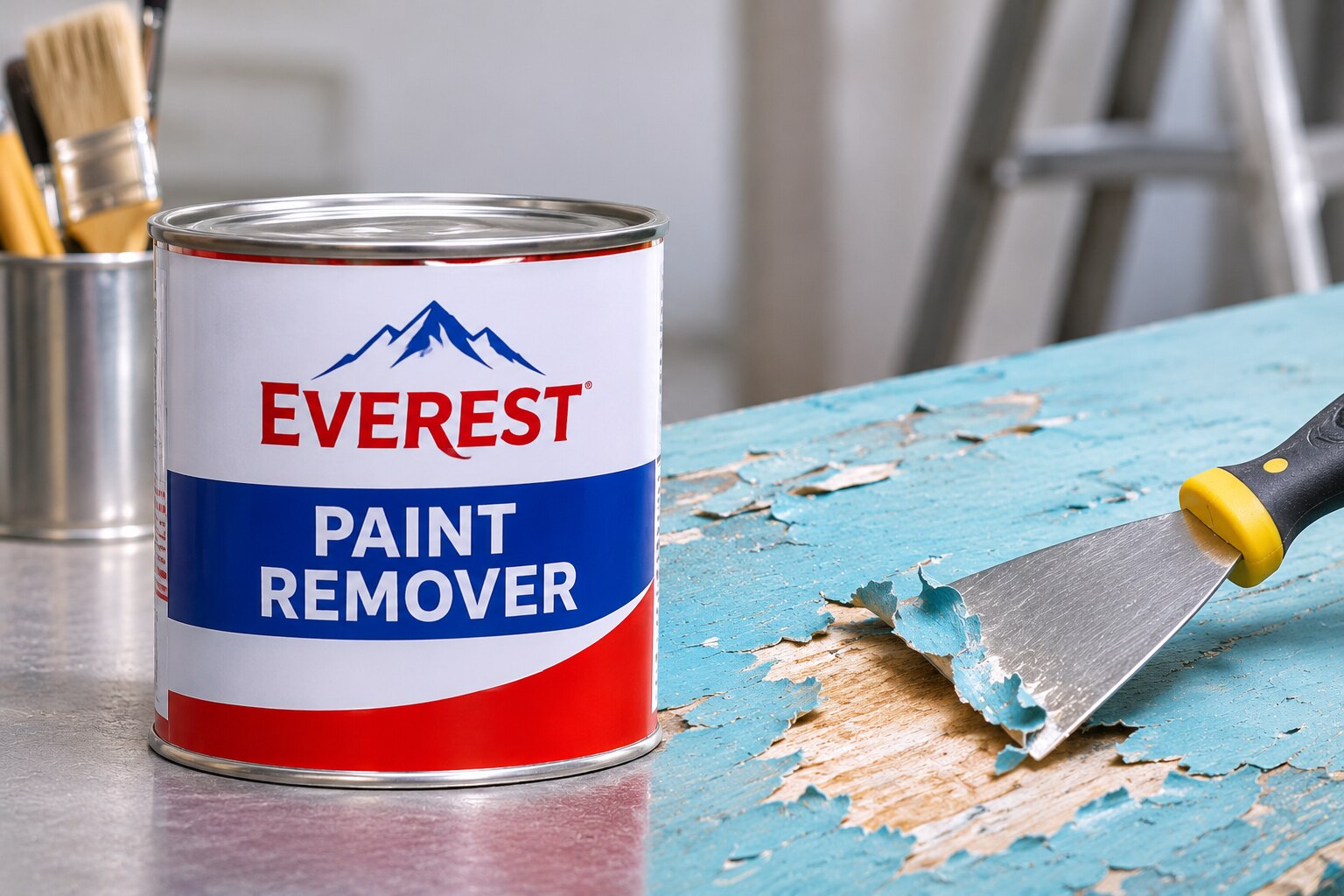
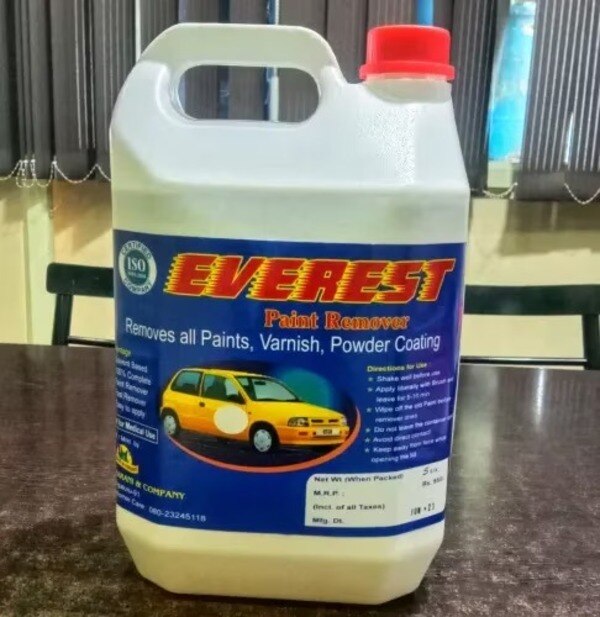
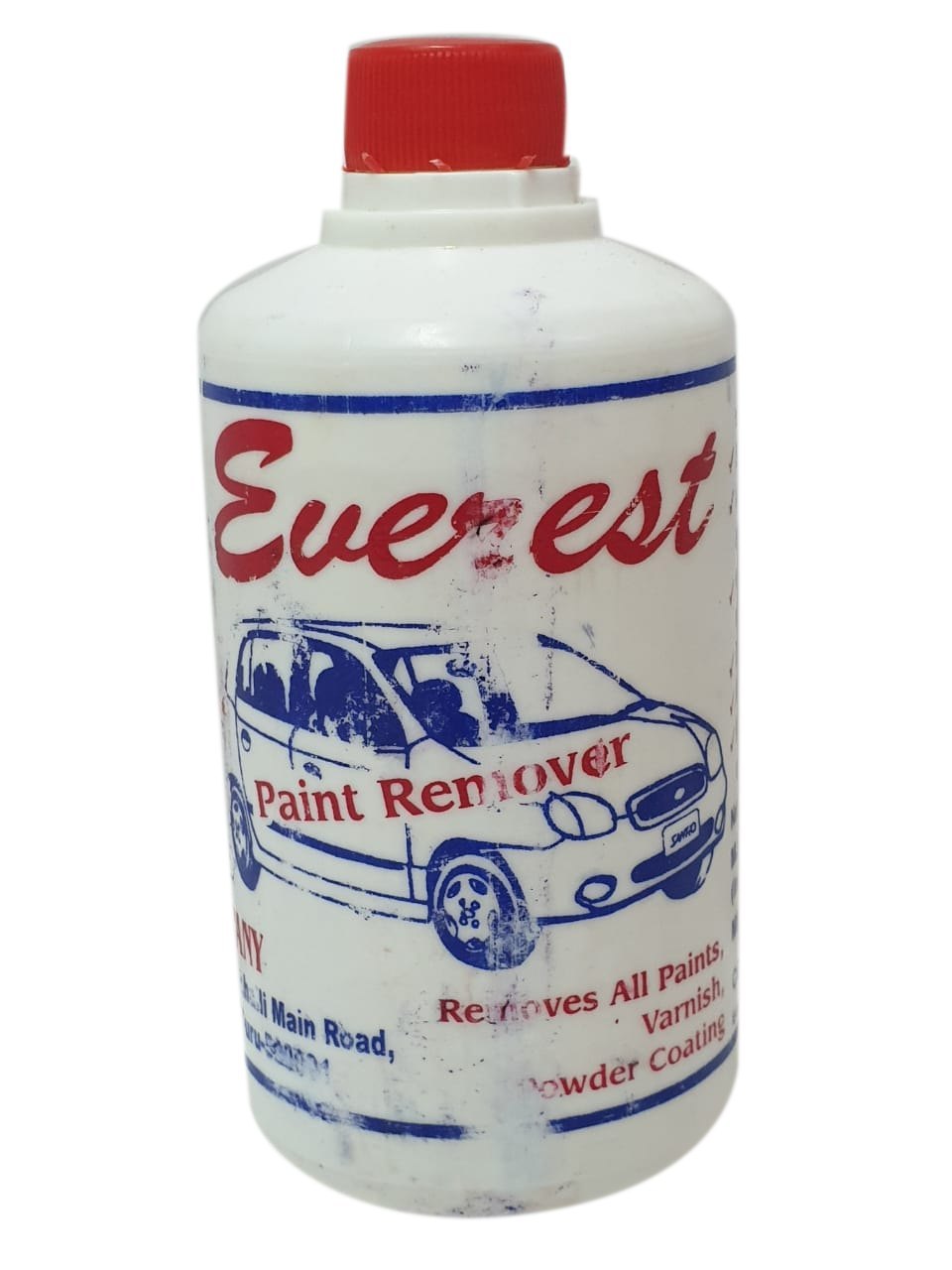 | Paint Remover Everest Paint Remover is a trusted solution for efficient paint removal. View product → |
Know when to reapply, stop, report the batch or prepare for repainting
A failed patch does not prove that the five-litre remover is defective. If it only wrinkles or softens the coating, re-wet it or apply a second controlled coat at the SDS/TDS film thickness and dwell time; do not leave it longer than instructed.
1. Remove the softened paint promptly with the recommended scraper. If it becomes gummy, clear the bulk, clean the residue using the product’s stated wash or wipe method, let the area dry, and inspect for a hard remaining film.
2. Reapply only after checking coating type, substrate, temperature, wet-film thickness and premature drying. Work in small sections and prevent direct sun or strong airflow from drying the remover, but cover the section only when the instructions permit it.
3. Stop immediately if wood darkens or raises, metal changes colour, plastic softens, seals swell, or the substrate becomes tacky. These are paint stripping problems with five litre remover that require compatibility advice, not a larger application.
4. Report the batch when the same controlled method fails on a clean test area, or when one pack behaves differently from another. Retain the lot number, product appearance, failed sample, temperature, dwell time and coating details.
5. Prepare for repainting only after all dissolved paint and remover residue are removed. Follow any specified neutralisation step, rinse or wipe, allow complete drying, inspect for old primer, lightly abrade where suitable, remove dust, and test adhesion before applying the new coating.
That is the practical answer to what to do when five litre paint remover stops working bangalore: reapply once under controlled conditions, then stop, document and change the coating-removal plan.
Frequently asked questions
What should you do first when five-litre paint remover stops working?
Test a small hidden patch containing the actual substrate and every coating layer before treating the full surface.
How do you fix paint remover application problems?
Match the remover to the coating, then check film thickness, surface preparation, application thickness, dwell time, temperature, and scraping technique.
What site conditions affect paint stripping?
Substrate type, temperature, ventilation, moisture, exposure time, containment, and chemical safety controls all affect the result.
How do you plan a five-litre paint-removal job?
Use the product technical data sheet for coverage and application rate, then account for coating thickness, losses, reapplication, waste, and cleanup.
When should you stop using paint remover?
Stop when repeated controlled tests fail, the substrate is damaged, safety controls are inadequate, or the batch, seal, or label appears suspect.
Keywords