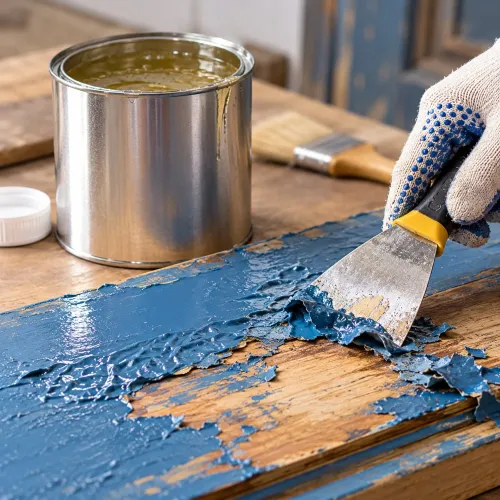
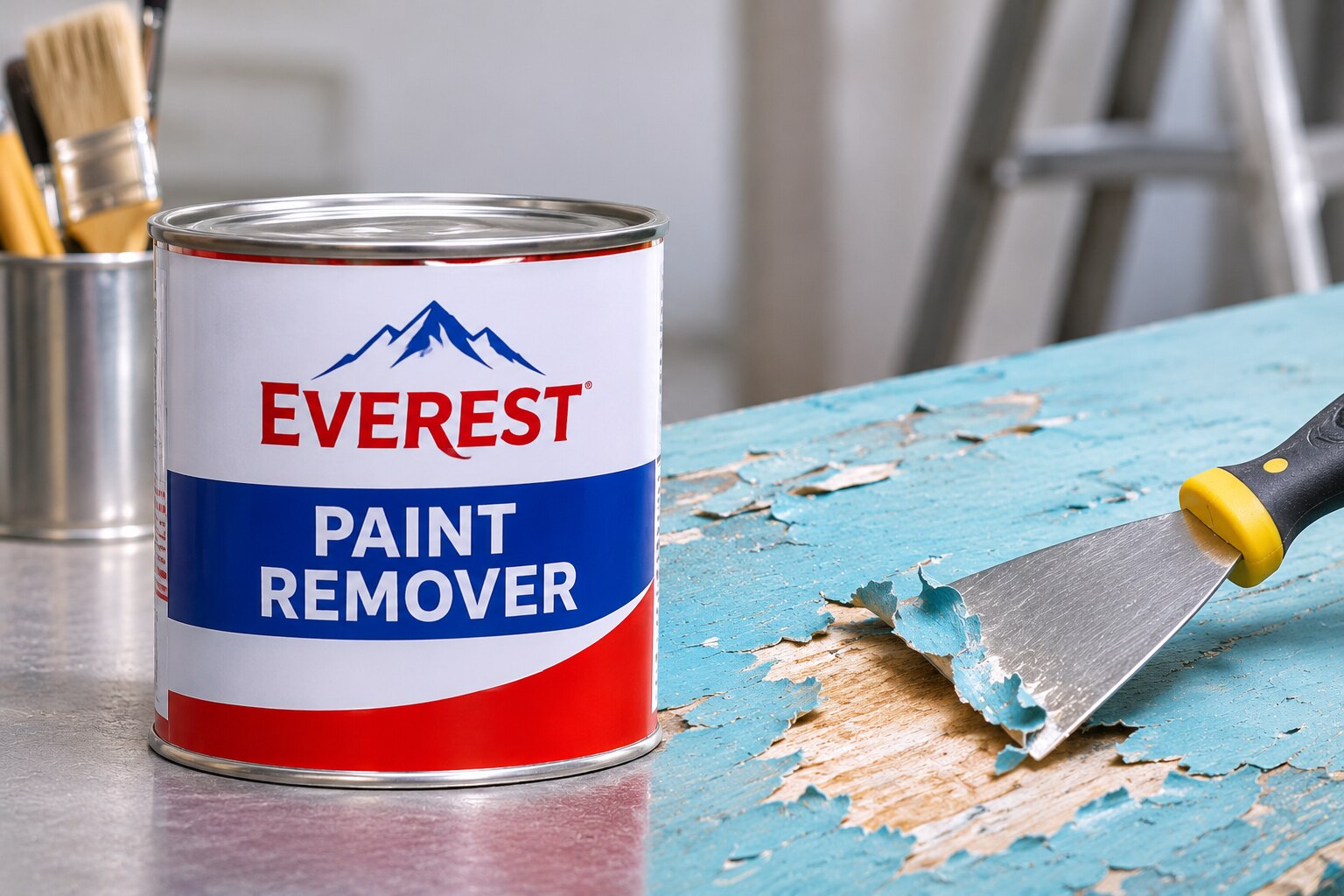
A paint remover can wrinkle the top layer while leaving primer, epoxy, corrosion protection or a baked film firmly attached. By checking the coating system, wet coverage, dwell time, Bangalore site conditions and substrate compatibility, you can tell whether the problem is incomplete penetration, coating resistance, residue or surface damage.
Key takeaways
- Test dwell time, film thickness and application coverage before changing remover.
- Keep a trial panel with measured temperature, timing and before-and-after photographs.
- Adjust process controls for Bangalore heat, airflow and the substrate material.
- Check batch records, technical data and safety documents before changing suppliers.
Five reasons the coating remains after application
A coating remains after application when the remover fails to penetrate, swell or release the complete film from the substrate. The result is often caused by process conditions rather than a defective batch.
- Short dwell time leaves the film softened only at its surface. Scraping too early removes the skin while bonded paint remains underneath.
- An application that is too thin dries before it can work through a thick film. Apply enough remover to maintain one continuous wet layer.
- Bangalore heat, direct sun and moving air accelerate evaporation. The remover becomes dry before it reaches the lower coating layers.
- The resin may resist the remover. Fully cured polyurethane, epoxy, powder coating and baked industrial finishes need a compatibility trial because a product effective on alkyd enamel may barely affect them.
- Multiple coats, heavy film build or a contaminated foundation blocks penetration. Paint applied over primer, rust, oil, dust or old residue can stay attached even after the upper layer blisters.
These are common paint stripping problems Bangalore workshops report. Record the coating type, number of layers, approximate film thickness, substrate and cure state before blaming the chemical.
The search question “why everest paint remover for leaves coating behind bangalore” cannot be answered from appearance alone; compare the result with the product’s technical data sheet and safety data sheet, then score blistering, scraping ease, residual film and substrate damage on a marked test area.
How to run a controlled removal trial
Mark a 100 × 100 mm area or use a coated coupon, then record the coating type, number of layers, approximate dry-film thickness and substrate. A report such as “everest paint remover not removing coating bangalore” is not enough to blame the product; compare results only after controlling the trial.
- Clean loose dust and grease without damaging the film. Weigh the remover container before and after application, and calculate the applied quantity in g/m².
- Apply a continuous, visibly wet layer thick enough to cover the coating completely. Do not brush it into a thin stain.
- Work in shade on a cool, stable surface. Cover the test patch with polyethylene film if the technical data sheet permits, and check that the remover remains wet.
- Hold the trial for the selected dwell time, then test a 10 mm strip with a scraper. Record blistering, scraping force, residual film and substrate damage separately.
- Scrape softened coating into a container, then rinse or wipe exactly as the product instructions specify. Inspect the dry surface under angled light.
- Repeat once with a longer dwell or a second application if the film remains bonded. Record the result rather than changing the remover immediately.
Use these as screening dwell times, not promises:
Alkyd enamel or acrylic: 15–30 minutes Polyurethane: 30–60 minutes Epoxy: 60–120 minutes Powder coating or baked finish: 120–240 minutes
Follow the product’s technical data sheet and safety data sheet whenever their instructions differ.
How Bangalore heat, airflow and substrates change the result
Heat does not automatically make a stripper work faster. A hot panel can accelerate solvent evaporation, shortening the wet contact time needed to swell the coating. Direct sun, low humidity and a fan or strong cross-draught intensify that loss; the surface may look active while the film underneath remains bonded.
Run the trial in shade at the same surface temperature, ventilation and airflow used for production. Measure enough remover to form a continuous wet layer, then shield the patch from dust and evaporation during the specified dwell time.
If the surface dries before the coating blisters or softens, add coverage or control airflow before blaming the product.
The substrate changes both stripping speed and the result you can accept:
- Bare steel usually permits firm scraping, but rust pits can retain softened coating and solvent.
- Aluminium can mark or lose its finish if aggressive scraping follows prolonged chemical exposure.
- Masonry, wood and porous boards absorb remover, reducing the amount available at the coating interface and making a clean endpoint harder to prove.
A primer, rust layer or oily contamination also changes the bond, so record the complete coating stack rather than naming only the top colour. Thick, aged or heat-cured films need more penetration than a thin decorative coat.
Judge the paint remover coating problem bangalore conditions create against a defined endpoint: the specified coating is removed, no transferable film remains after the agreed wipe or rinse, and the substrate is not softened, stained or etched. A paint remover coating problem in Bangalore production often reflects lost wet time, not a defective batch.
How to diagnose partial stripping in a factory or workshop
A shiny, continuous film after scraping is residual coating, not a stripping success. A sticky smear that transfers to the scraper indicates softened paint; a clean, dry substrate should remain firm, matte or uniformly finished, with no colour transfer to a white lint-free wipe.
1. Mark a 100 mm test area and record each visible layer: topcoat, primer, rust scale and approximate total film thickness. Keep an untreated comparison area.
2. After the defined dwell time, scrape a measured strip. Score blistering, scraping resistance and exposed substrate separately on a 0–100% scale. Softened paint curls or smears; residual coating stays as a bonded, continuous film.
3. Wipe the exposed area with a compatible cleaner named in the technical data sheet. Oily, dusty or chemical contamination shows as transfer, streaking or a water-break pattern; rust remains as a rough, discoloured surface. Do not call that residue paint.
4. Test adhesion on the remaining film and again after removal, using ASTM D3359 cross-cut and tape where the coating thickness and substrate suit the method. A strongly bonded grid points to an attached primer or cured industrial layer, not loose softened paint.
5. Write acceptance before production: expose at least 95% of the marked substrate, leave no continuous film thicker than 25 micrometres, show no visible gloss or wipe residue, and record no substrate attack.
Compare everest paint remover results for factories against those same measurements, not against the phrase “removes paint.” Different layers may need separate chemical and mechanical passes.
What to verify before changing remover or supplier
Require a current technical data sheet, safety data sheet, certificate of analysis, batch number, shelf life, storage range and application limits before approving a remover.
The TDS must identify compatible coating types, recommended wet-film thickness, dwell time, substrate restrictions and rinsing method; the SDS must state ventilation, gloves, eye protection, spill response and whether methylene chloride is present.
Compare evidence across the competing remover and the current product:
| Evidence | Verify | Failure consequence |
|---|---|---|
| TDS and SDS | Coating range, active hazards, dwell limits and disposal instructions | Unsafe or ineffective production use |
| Compatibility test | Steel, aluminium, galvanised surfaces, plastics, seals and nearby finishes | Substrate staining, swelling or corrosion |
| Batch documentation | COA, batch number, manufacture date and retained sample | No traceable cause when performance changes |
| Procurement trial | Same coating coupon, measured coverage, wet dwell, scraping and rinse | Supplier results cannot be compared |
Before blaming Everest paint remover results for factories, control these five variables in one marked test area:
- Identify resin, layers, cure state and approximate film thickness.
- Measure remover quantity and maintain continuous wet coverage.
- Record surface temperature and dwell time.
- Use the same scraping tool and mechanical assistance.
- Rinse, dry and score residual film separately from substrate damage.
For paint stripping problems Bangalore, run the trial in shade at a controlled temperature and repeat it across two batches. Ask Dharani and Company for the TDS, SDS and batch-specific COA before changing the remover; those documents can distinguish a formulation issue from an unsuitable coating or uncontrolled application.
Related products
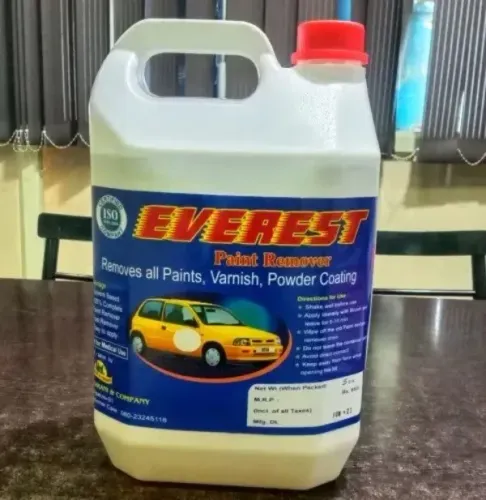
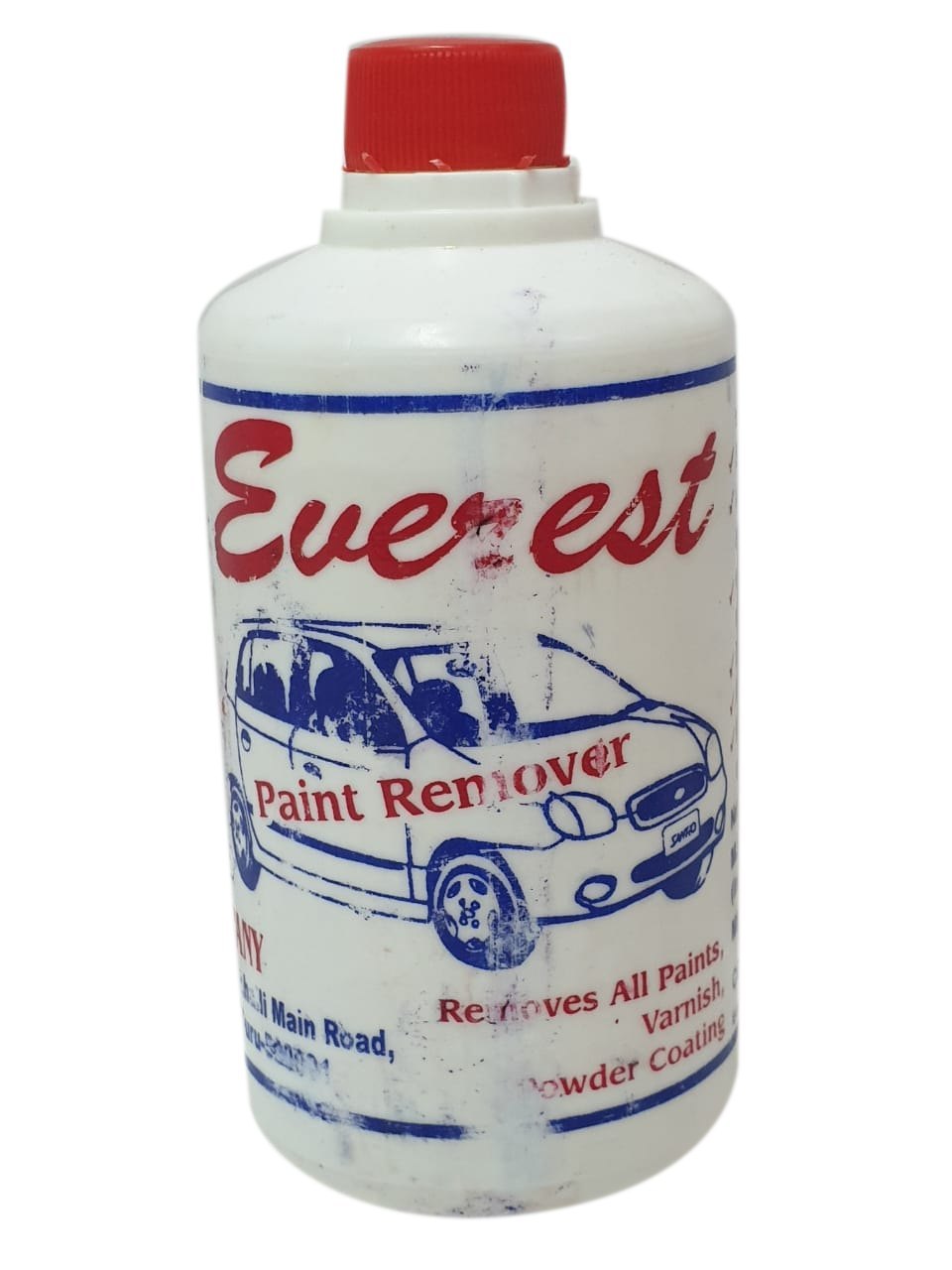 | Paint Remover Everest Paint Remover is a trusted solution for efficient paint removal. View product → |
 | Paint Remover Everest Paint Remover 5 litter We manufacture Paint Remover and supplier in Bangalore Karnataka and we can supply pan India Everest Paint Remover stands as a premier manufacturer... View product → |
Frequently asked questions
Why does paint remover leave coating behind after application?
Incomplete coverage, insufficient dwell time, a thick or cured coating, poor penetration, and substrate conditions can leave film behind. Treat the issue as a process fault until a controlled trial rules that out.
How do you run a controlled paint-removal trial?
Use a marked test panel with the same coating and substrate. Record film thickness, remover quantity, temperature, dwell time and scraping method, then compare the cleaned surface with an untreated control area.
How do Bangalore heat and airflow affect paint stripping?
Heat can change evaporation and reaction speed, while airflow can dry the remover before it penetrates the film. Shade the work area, control ventilation and record the surface temperature during the trial.
What should a factory verify before changing paint remover or supplier?
Verify the product batch number, technical data sheet, safety data sheet, storage condition, application rate, dwell time and substrate compatibility. Compare those records with a controlled trial before switching products.
Keywords