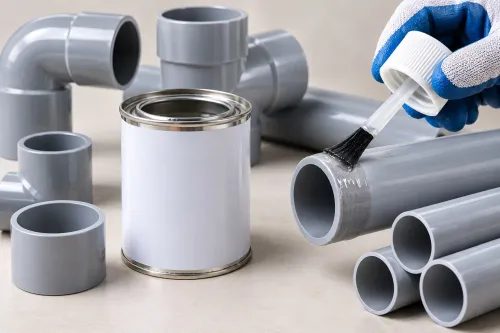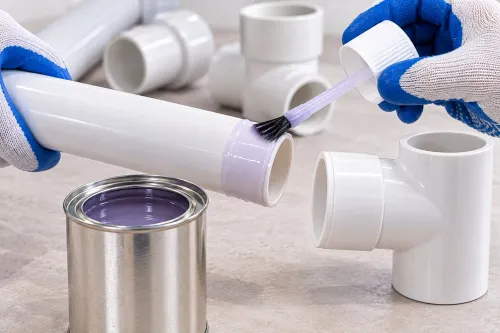
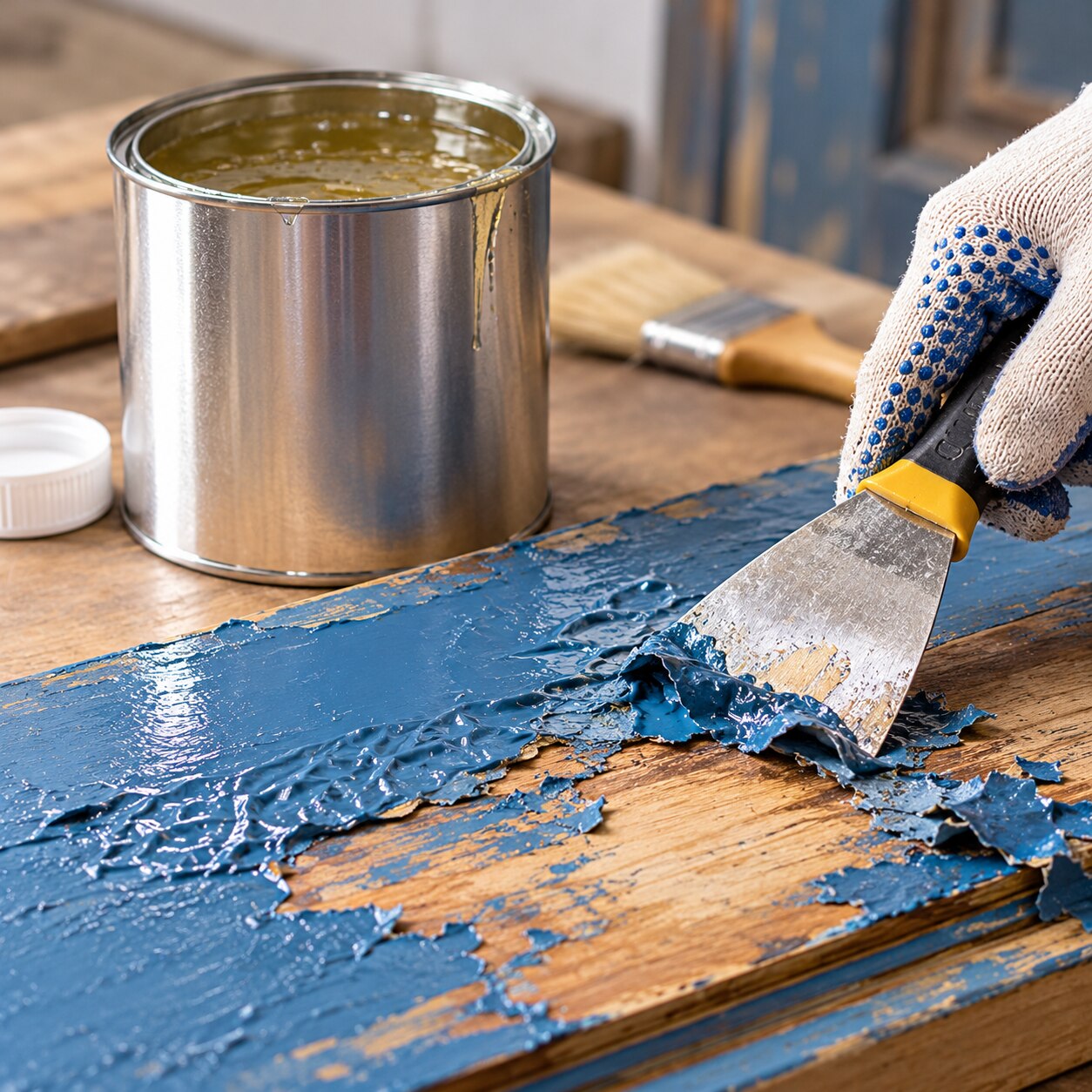
A paint remover can appear ineffective when the coating, substrate, temperature, application thickness or dwell time does not match the product. Use a controlled test patch, document the conditions, and adjust one variable at a time before applying more remover across the job.
Key takeaways
- Record coating, substrate, temperature, dwell time, and residue-removal method.
- Identify the coating before switching to a different remover.
- Adjust surface preparation, film thickness, coverage, and dwell time.
- Approve production work only after a repeatable test patch succeeds.
Start with a controlled failure check
A failed test patch does not prove the remover is unsuitable. Isolate a 0.1 m² area and record the product name, batch number, coating type, substrate, surface temperature, applied film thickness, wet dwell time, whether it was covered, and the residue-removal method.
This record turns “paint remover not working bangalore” from a brand complaint into a testable diagnosis.
- Clean off dust, grease and wax, then dry the surface. Mask nearby plastics, rubber, glass and finished areas.
- Check the remover’s label and technical data sheet, including storage condition, compatible substrates, dwell time and coverage. Do not use a product that has separated, skinned over or changed markedly in colour or smell.
- Apply an even, generous film with the specified brush or applicator. A thin coat can dry before it penetrates the paint; do not estimate coverage by appearance alone.
- Keep the layer wet for the full dwell period. Cover it with compatible plastic film on large areas only when the manufacturer permits it.
- Test removal with a scraper after the dwell period, then wash or wipe off residue by the specified method. Do not judge success while softened paint still covers the surface.
- Repeat the patch under shade if the substrate is hot, and allow extra drying time after water rinsing during humid or rainy Bangalore conditions. Dry exposed steel promptly to limit flash rust.
If the controlled patch fails, compare the coating and substrate against the product’s stated range. If it works only when kept wet, working conditions caused the failure; if it never softens the coating, select a chemistry for that paint system.
Identify the coating before changing the remover
Acrylic or emulsion paint usually softens more readily than cured enamel, polyurethane, epoxy, powder coating, varnish or a two-component coating. Treating every failure as an industrial paint remover issue leads to repeated applications against the wrong film.
| Coating | Clues | Stripping implication |
|---|---|---|
| Acrylic or emulsion | Water-based history; softens with water or alcohol on a hidden spot | Use a mild solvent or alkaline product approved for the substrate |
| Enamel | Hard, glossy film; often alkyd and solvent-cured | Allow longer dwell; scraping alone may only polish it |
| Polyurethane | Tough, flexible or abrasion-resistant surface | Select a remover tested for polyurethane; avoid assuming enamel chemistry works |
| Epoxy | Very hard, chemically resistant film | Use a formulation rated for cured epoxy and expect extended dwell |
| Powder coating | Uniform baked film with no brush or roller marks | Treat it as a thermoset coating, not liquid paint |
| Varnish | Clear or amber film showing the material beneath | Check whether the remover clouds or stains the underlying surface |
| Two-component coating | Product records show resin plus hardener; exceptional hardness | Identify both components and cure age before choosing a stripper |
- Ask for the coating product name, safety data sheet, cure method, approximate film thickness and application date. Check those records against a concealed area; do not rely on colour or gloss alone.
- Test a small patch and record whether the film softens, wrinkles, turns gummy or remains unchanged. Inspect the substrate after removal, because a product that works on steel can attack aluminium, zinc, plastic or sealant.
- Record the batch number, substrate, surface temperature, wet dwell time and removal method. Change chemistry only after those facts show the coating, rather than the working conditions, caused the failure.
Correct the surface preparation and application
A fair test starts with a clean, dry substrate and a measured wet film, not a thin wipe of remover. Record the product name, batch number, coating, substrate, surface temperature, coverage and wet dwell time before you begin.
- Remove dust, oil, wax and loose flakes. Wash greasy surfaces with a compatible cleaner, rinse where the substrate permits, and let the surface dry completely.
- Scrape off blistered paint and lightly abrade a glossy, intact film when the product instructions permit it. Do not abrade if it will spread lead-containing dust or damage a plated surface.
- Mask rubber, sealants, plastics, aluminium, zinc, galvanised finishes and adjacent painted areas unless the remover is approved for them.
- Apply the label-specified wet thickness across the whole test patch. Use a solvent-resistant brush for edges and a notched spreader for a broad, even coat; a roller can leave thin spots or introduce foam.
- Measure the area and compare it with the stated coverage in square metres per litre. An application below the label rate can soften only the surface skin.
- Keep the patch wet for the stated dwell time. Cover it with compatible polyethylene film when the instructions allow, particularly on a hot Bengaluru surface where evaporation shortens working time.
- Check the product-specific application temperature range. A cold substrate slows softening; a hot one can dry the remover before it penetrates.
- Lift a corner with a scraper at the end of the dwell time. If the coating resists, add remover to dry spots and repeat the specified application instead of forcing one unusually thick coat.
- Remove softened residue with the recommended scraper or collection method, then clean the surface as directed before judging the result.
Record whether the film wrinkled, blistered, turned gummy or stayed hard. That record separates poor coverage or dwell from an unsuitable remover.
Respond to the way the coating fails
When the film wrinkles, turns gummy, dries before lifting, releases in patches, or stays attached, change the response rather than simply changing brands. Record the product batch and all test conditions; without them, you cannot separate a chemistry failure from a site-condition failure.
- Wrinkles or blisters: keep the remover wet at its specified film thickness and cover it if the instructions allow. Scrape gently after the stated dwell time.
- Gummy residue: remove it with the specified scraper, rinse, or cleaning method, then test a smaller patch. A nonvolatile film can prevent primer adhesion.
- Dry film: stop and shade or cool the surface. Hot Bangalore metal can evaporate remover before it penetrates, so follow the product’s minimum application temperature instead of extending the dwell blindly.
- Patchy lifting: improve cleaning, roughen a glossy layer where permitted, and apply an even coat. Do not recoat missed areas over contaminated residue.
- No lifting: test a fresh patch at the product-specific dwell time. Cold steel slows softening, while cured two-component coatings may require another chemistry.
In damp Bangalore conditions, rinse only as directed, dry exposed ferrous steel promptly, and protect it for the planned primer. For paint stripping problems bangalore, approve no repeat application until a clean test patch passes substrate and repaint adhesion checks.
Prove the process before approving production work
Approve production only after a documented test patch proves that the remover works on the actual coating without damaging the substrate or compromising the new paint system. This record also prevents “paint remover problems Bangalore” from becoming a cycle of changing brands without finding the cause.
1. Record the product name, batch number, coating type, substrate, surface temperature, application thickness, wet dwell time, coverage, and removal method. Include photographs before, during, and after stripping.
2. Confirm the coating and cure type. Acrylic or emulsion paint, alkyd enamel, varnish, polyurethane, epoxy, powder coating, bitumen, adhesive, sealant, and two-component coatings do not share one stripping method.
3. Test a small area at the product’s stated temperature range. Check whether the film softens evenly, whether the substrate stains, swells, corrodes, or loses its finish, and whether residue can be removed without aggressive scraping.
4. Clean the stripped surface using the specified method, then let it dry. Apply the intended primer to a test area and perform the manufacturer’s adhesion or compatibility check; lifting old paint is not enough.
5. Approve the process only when operators have confirmed gloves, eye protection, ventilation, spill control, fire precautions, and a labelled waste container. Ask Dharani and Company or another supplier for the safety data sheet, disposal guidance, and batch-specific instructions before ordering more.
High humidity demands prompt drying to limit flash rust, while a hot surface can shorten dwell time.
Related products
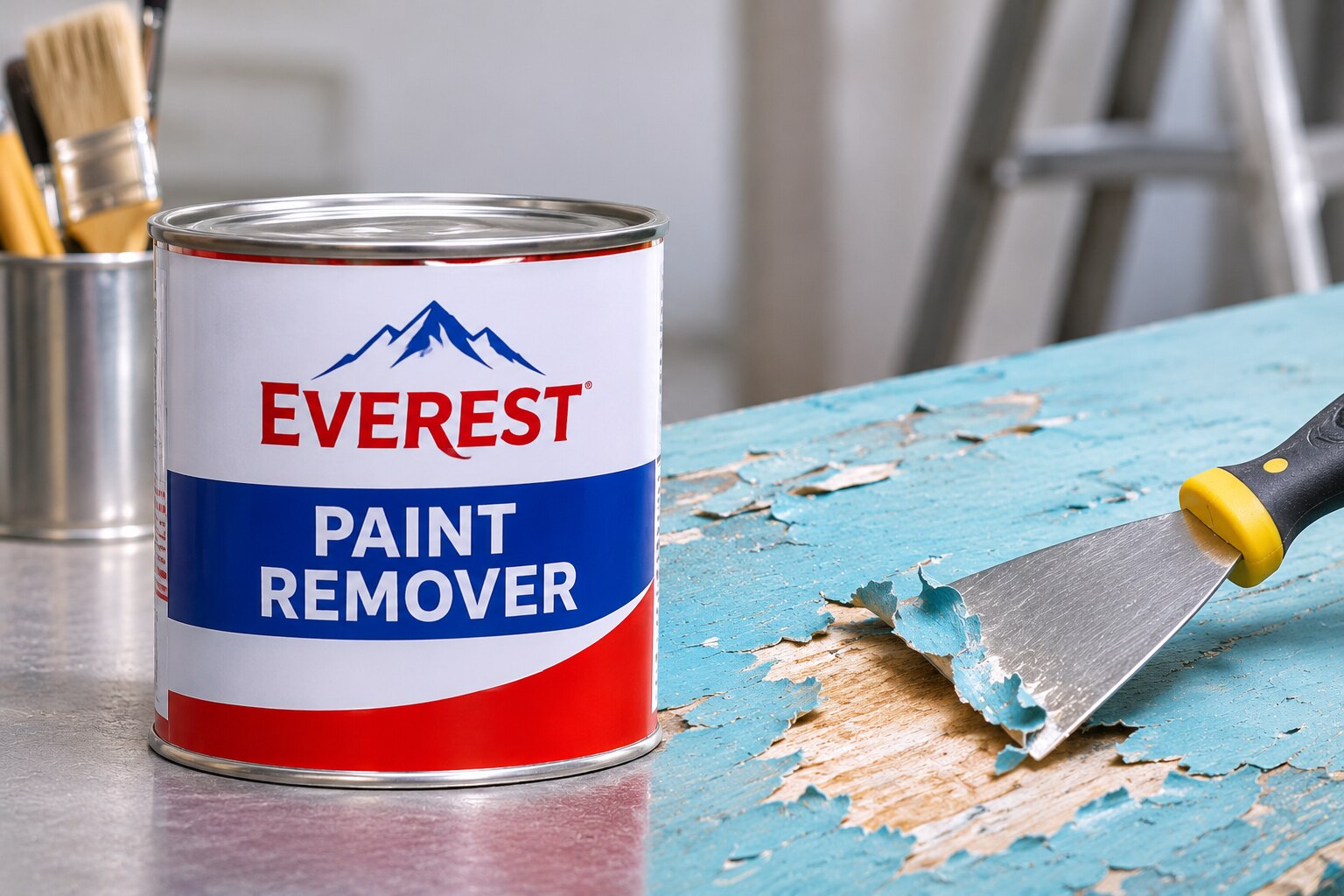
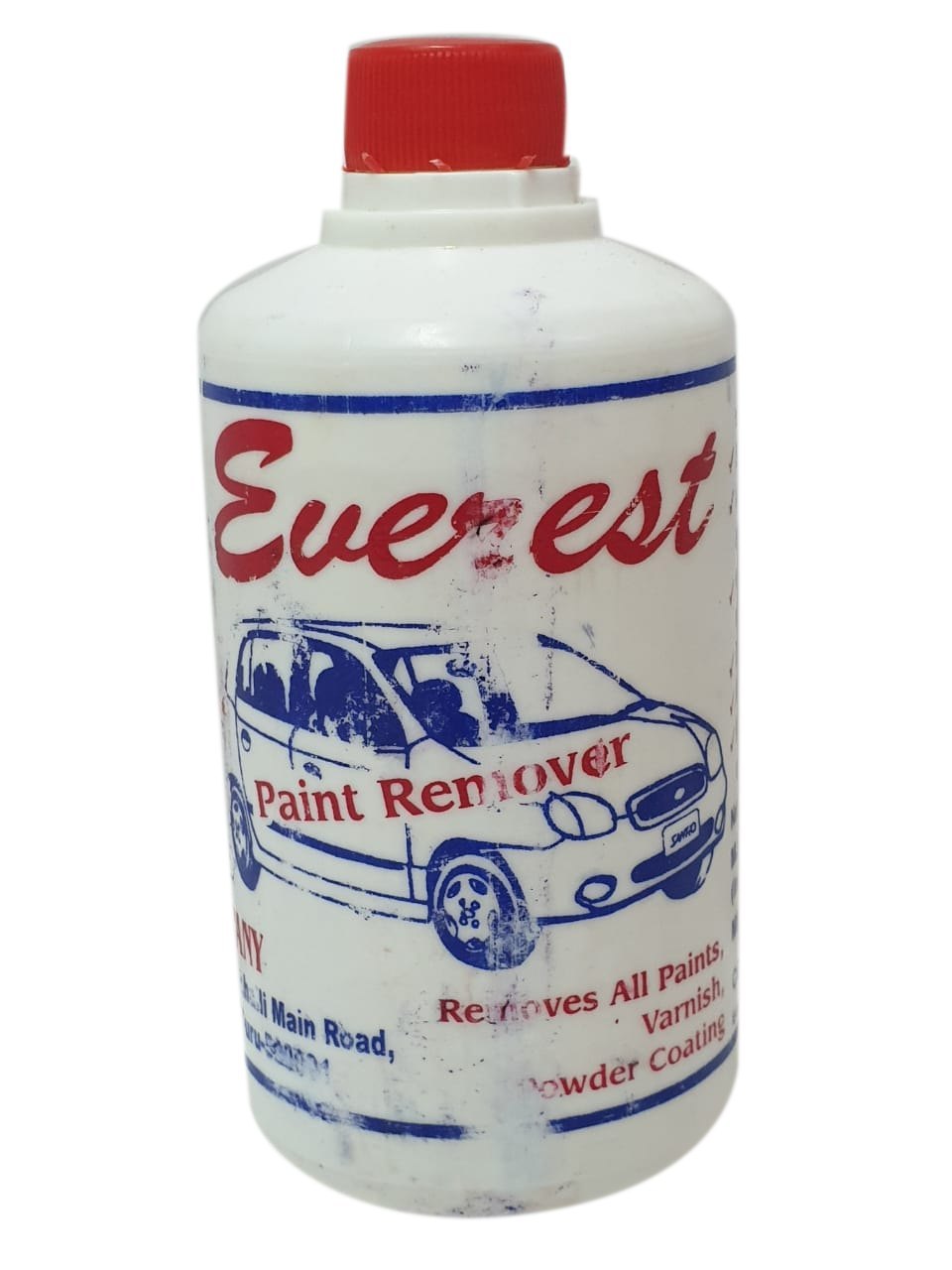 | Paint Remover Everest Paint Remover is a trusted solution for efficient paint removal. View product → |
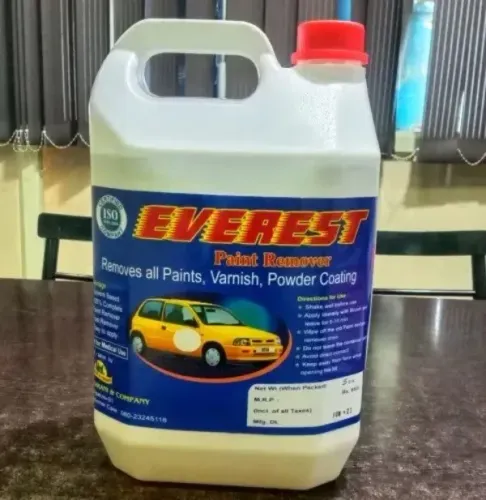
 | Paint Remover Everest Paint Remover 5 litter We manufacture Paint Remover and supplier in Bangalore Karnataka and we can supply pan India Everest Paint Remover stands as a premier manufacturer... View product → |
Frequently asked questions
What should you record when paint remover is not working?
Isolate a 0.1 m² test area and record the product name, batch number, coating, substrate, surface temperature, film thickness, wet dwell time, coverage, and residue-removal method.
How do you identify the coating before changing paint remover?
Determine whether the coating is alkyd, acrylic, epoxy, polyurethane, powder coating, or another system, then match the remover to that coating and substrate.
What application mistakes cause paint stripping problems?
Insufficient surface preparation, an uneven or thin film, uncovered remover, incorrect dwell time, and poor residue removal can all cause failure.
How do you respond when the coating fails in different ways?
Use the failure pattern to guide the correction: adjust preparation and application for an untouched film, change dwell time for softened coating, and improve residue removal for softened but adherent residue.
When should you approve production work after testing paint remover?
Repeat the corrected test under documented conditions and approve production only when the coating is removed consistently without unacceptable substrate damage or residue.
Keywords