Rain does not simply increase or reduce paint-remover sales in Bengaluru. It moves demand between outdoor stripping, indoor maintenance, emergency rework and pre-monsoon stock building while making drying, corrosion control and recoating harder. By the end, you will know which jobs continue, which are delayed, how to plan wet-weather stripping and what to compare before buying.
Key takeaways
- Split forecasts between June–September and October–November rain windows.
- Move outdoor stripping under cover, but continue planned indoor maintenance.
- Test moisture and adhesion on each substrate before applying fresh coating.
- Order by work zone, substrate, and weather exposure—not total remover volume.
Two rainy windows change when buyers place orders
Bengaluru has two rainy planning windows, not one June-to-September switch. The southwest monsoon commonly disrupts work from June through September, while heavier October and November showers from the retreating or northeast monsoon can reopen the same problems after a short drier interval.
The answer to “why paint remover for demand changes during bangalore monsoon” is job timing. Contractors often order before the first sustained rains to finish exposed stripping, then shift purchases toward sheltered maintenance. After each wet spell, failed coatings, flash rust and delayed refurbishment create urgent rework.
That pattern explains paint remover monsoon demand bangalore better than one annual total.
1. Before the June rains, outdoor architectural, structural and construction-finishing teams bring forward stripping, repainting and equipment refurbishment. They need time for drying and primer application before weather interruptions begin.
2. During persistent rain, indoor plant maintenance, workshop repairs and vehicle or machinery work can continue under cover. Buyers may favour gelled or thixotropic remover for vertical parts, while reducing low-viscosity products that run off damp surfaces.
3. After the September window, outdoor work can resume, but October-November rain may interrupt it again. Emergency orders then follow coating failures rather than planned production, while water-rinsable products bring extra drying and wastewater concerns. A forecast that combines every segment can overstock outdoor grades and miss indoor-maintenance demand.
Outdoor stripping slows while indoor maintenance continues
Rain shifts paint-stripping demand indoors: plant-room equipment, workshop tools, tanks, vehicle components and machinery can keep moving under a roof, while exposed façades, steelwork and construction finishing are postponed. The stripping step may succeed outdoors, but rain, condensation and high humidity can prevent the replacement coating from bonding or drying.
| Work segment | Rainy-weather pattern | Practical reason |
|---|---|---|
| Indoor plant and maintenance-shop work | Continues or increases | Sheltered floors, ventilation and controlled drying keep schedules workable |
| Vehicle and equipment refurbishment | Continues in covered bays | Components can be removed, stripped and recoated away from showers |
| Emergency coating rework | Increases after failures | Blistering, whitening, peeling and poor adhesion create corrective work |
| Outdoor architectural stripping | Commonly postponed | Masonry and previously painted surfaces retain moisture |
| Structural steel and fabrication work | Delayed or moved indoors | Bare carbon steel can flash-rust before primer application |
| Renovation and construction finishing | Slows sharply | Replacement coatings cannot dry reliably between rain interruptions |
That split matters for seasonal paint stripping needs. A buyer who forecasts only total remover volume can overstock outdoor-use products while running short of indoor maintenance grades and rework supplies.
Covered work does not remove every constraint. Use drainage, ventilation and a dry substrate; check for condensation before application, then plan immediate drying, temporary corrosion protection and primer timing for exposed steel. Gelled or thixotropic remover can stay on vertical indoor surfaces, but its thicker body does not make damp application safe.
Moisture changes stripping results across different substrates
The stripping step can succeed while recoating fails: high humidity, condensation, rinse water and slow drying leave moisture that causes flash rust, blistering, whitening or poor adhesion.
| Substrate | Moisture effect after stripping | Recoating risk |
|---|---|---|
| Metal | Condensation or rinse water reaches bare steel and triggers rapid flash rust. | Dry immediately, apply temporary corrosion protection if primer cannot follow, and control primer timing. |
| Masonry | Concrete and porous blocks retain water below a surface that looks dry. | Check moisture before coating; ASTM D4263 plastic-sheet testing screens for moisture but does not replace project-specific limits or instrumented testing. |
| Wood | Humidity and rinse water swell fibres, raise the grain and lengthen drying. | Recoat only after the timber reaches the coating manufacturer’s moisture limit, or the finish can crack and lose adhesion. |
| Plastic | Water is easy to remove, but trapped moisture remains around texture, joints and recesses. | Dry fully and confirm the remover has not softened or stressed the plastic before applying a compatible coating. |
| Previously coated surfaces | Moisture can remain between coating layers or beneath edges that lifted during stripping. | Remove loose material, dry the exposed area and test adhesion; a new coat over damp edges can blister. |
Paint removal during rainy season therefore depends on the rinse decision as much as the remover. Water-rinsable products reduce solvent residue but create wet substrates and wastewater to manage; solvent-removal systems reduce water use where immediate drying matters.
Poorly ventilated workshops extend drying time. Sheltered work, forced ventilation or dehumidification improves readiness but adds cost and can favour a faster-drying remover over a slow-setting gel.
A sheltered work plan prevents a successful strip from becoming a coating failure
A sheltered, ventilated work area is the first control: keep rain, spray and condensation away from the stripped surface, and provide drainage so rinse water cannot return beneath the workpiece.
1. Before stripping, inspect the roof, walls, floor and drainage. Check the weather forecast for the full stripping and recoating window, not just the start time. Record substrate temperature, air temperature and relative humidity; postpone work if condensation is forming or the surface is visibly damp.
2. Confirm the remover’s safety data sheet, required protective equipment, ventilation rate and ignition controls. Choose water rinsing only when you can collect and dispose of the wastewater and dry the substrate promptly. On carbon steel, prepare clean, dry cloths, temporary corrosion protection and primer before exposing bare metal.
3. During removal, shield the work from showers and prevent rinse water from pooling in seams, bolt holes and porous areas. Use forced ventilation where the product permits it, but do not blow humid outdoor air across a cold surface and create condensation. Inspect exposed steel repeatedly for flash rust.
4. After removal, clean residues, dry the surface and check it again immediately before coating. For concrete and masonry, use ASTM D4263 plastic-sheet screening and the project’s specified moisture limit; apparent dryness is not acceptance. Do not prime steel until it is dry and the primer’s application temperature and humidity limits are met.
Keep the stripped surface protected between shifts. A successful removal followed by overnight condensation can still produce blistering, whitening or poor adhesion.
Buyers need a segmented forecast, not just more remover
A single June-to-September volume number can leave you overstocked on outdoor products while indoor maintenance teams run short. Build the industrial paint-remover monsoon supply plan around four demand segments and compare each product against its substrate, work area and recovery time.
| Segment | Formulation and substrate question | Documents to compare | Packaging and supply plan |
|---|---|---|---|
| Outdoor architectural or structural stripping | Does a gel or thixotropic grade stay on vertical steel or masonry? Test aluminium, zinc and galvanised surfaces before using caustic chemistry. | SDS, technical data sheet, application limits and compatibility guidance | Sealed pails or drums, raised off wet floors; order ahead of rain interruptions |
| Indoor plant maintenance | Can the product be used with available ventilation and spill controls? Treat methylene chloride as a serious inhalation hazard, not an ordinary thinner. | SDS exposure controls, PPE, ventilation requirements and legal-use instructions | Smaller working packs can reduce open-container exposure; keep reserves in compatible, ventilated storage |
| Vehicle and equipment refurbishment | Will solvents attack plastics, seals, elastomers or composites? Run a small-area test before batch work. | TDS, substrate test method, batch number and certificate of analysis | Protect labels and closures during wet transport; schedule covered unloading |
| Emergency coating rework | Does the grade suit the failed coating, and can bare carbon steel be dried and primed promptly? | SDS, recoat timing, storage limits and batch traceability | Hold limited contingency stock with secondary containment, not a large outdoor pile |
Dharani and Company can help buyers compare a paint remover by substrate test and handling documents rather than choosing solely by pack size. Inspect every delivery for rainwater ingress, damaged labels and compromised seals, then record batch numbers before storage. Keep products away from ignition sources, incompatible chemicals and standing water.
Related products
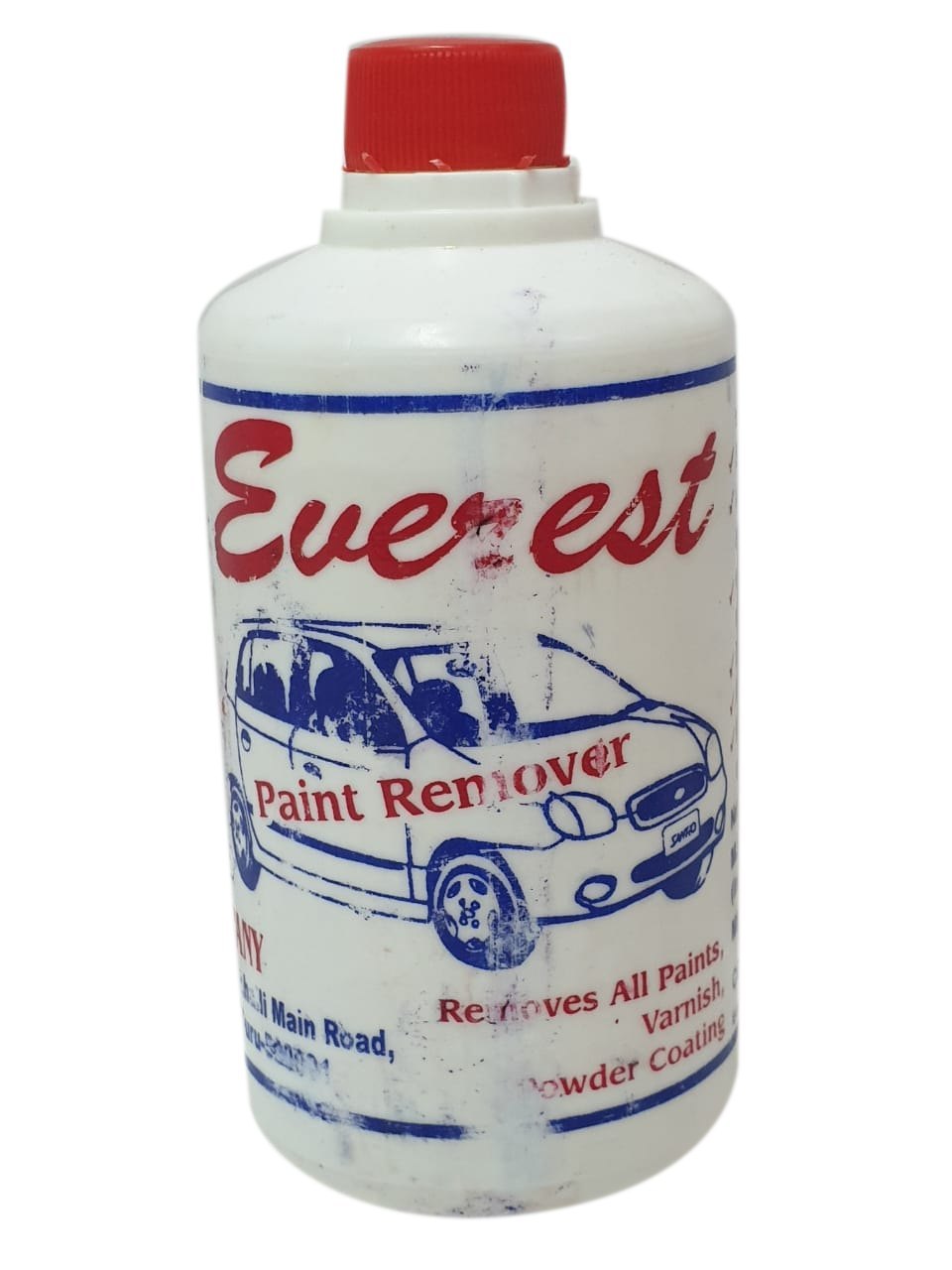 | Paint Remover Everest Paint Remover is a trusted solution for efficient paint removal. View product → |
 | Paint Remover Everest Paint Remover 5 litter We manufacture Paint Remover and supplier in Bangalore Karnataka and we can supply pan India Everest Paint Remover stands as a premier manufacturer... View product → |
Frequently asked questions
When does monsoon paint remover demand change in Bengaluru?
Demand shifts during two rainy planning windows: the southwest monsoon from June through September, and heavier October and November showers linked to the retreating or northeast monsoon.
Why does outdoor paint stripping slow during the rainy season?
Rain interrupts access, keeps surfaces wet, contaminates work areas, and delays drying before a new coating. Indoor maintenance can continue when ventilation, containment, and substrate checks are controlled.
How does moisture affect paint removal on different substrates?
Moisture changes how stripping chemicals spread, penetrate, and rinse from metal, concrete, wood, and masonry. Check the substrate condition, remove residue completely, and confirm dryness before recoating.
How can buyers prevent a successful paint strip from becoming a coating failure?
Use a sheltered work plan with covered surfaces, controlled drainage, ventilation, drying time, moisture checks, and an adhesion test before applying the replacement coating.
Keywords