
Industrial cleaning is often treated as a routine maintenance activity, but the chemical selected can affect equipment condition, surface quality, production efficiency and worker handling procedures. Different contaminants and substrates require different cleaning approaches.
For manufacturers, workshops and industrial facilities searching for an Industrial Cleaning Chemical Supplier in Bangalore, supplier selection should begin with the cleaning problem itself.
Identify What Needs to Be Removed
Before choosing a chemical, determine the contaminant.
Industrial cleaning requirements can involve:
- Oil
- Grease
- Paint residues
- Dust and particulate contamination
- Adhesive residues
- Manufacturing residues
- Dirt
- Process deposits
Different contaminants respond differently to chemical cleaning.
Identify the Surface
The same cleaning chemical should not automatically be used on every material.
The surface could be:
- Steel
- Aluminium
- Plastic
- Rubber
- Painted metal
- Machinery components
- Industrial equipment
A suitable cleaner should remove the contaminant without creating unnecessary damage to the underlying material.
Consider the Cleaning Process
The cleaning method also affects product selection.
Industrial facilities may use:
- Manual wiping
- Immersion
- Spray cleaning
- Controlled equipment cleaning
- Production-line cleaning
- Maintenance cleaning
The chemical should fit the equipment, process time and required cleaning result.
Evaluate Product Performance
Buyers can assess a cleaning chemical based on:
Cleaning effectiveness: Does it remove the target contamination?
Material compatibility: Does it suit the substrate?
Consumption: How much product is required per cleaning cycle?
Process time: How quickly can the desired result be achieved?
Residue: Does the product leave an unwanted film?
Storage: Can the facility store it appropriately?
These factors help determine the practical value of the product.
Why Supplier Reliability Matters
Cleaning chemicals may be consumed regularly, particularly in manufacturing and maintenance environments. A production facility that relies on routine cleaning should have predictable access to its approved products.
A supplier evaluation can include:
- Product availability
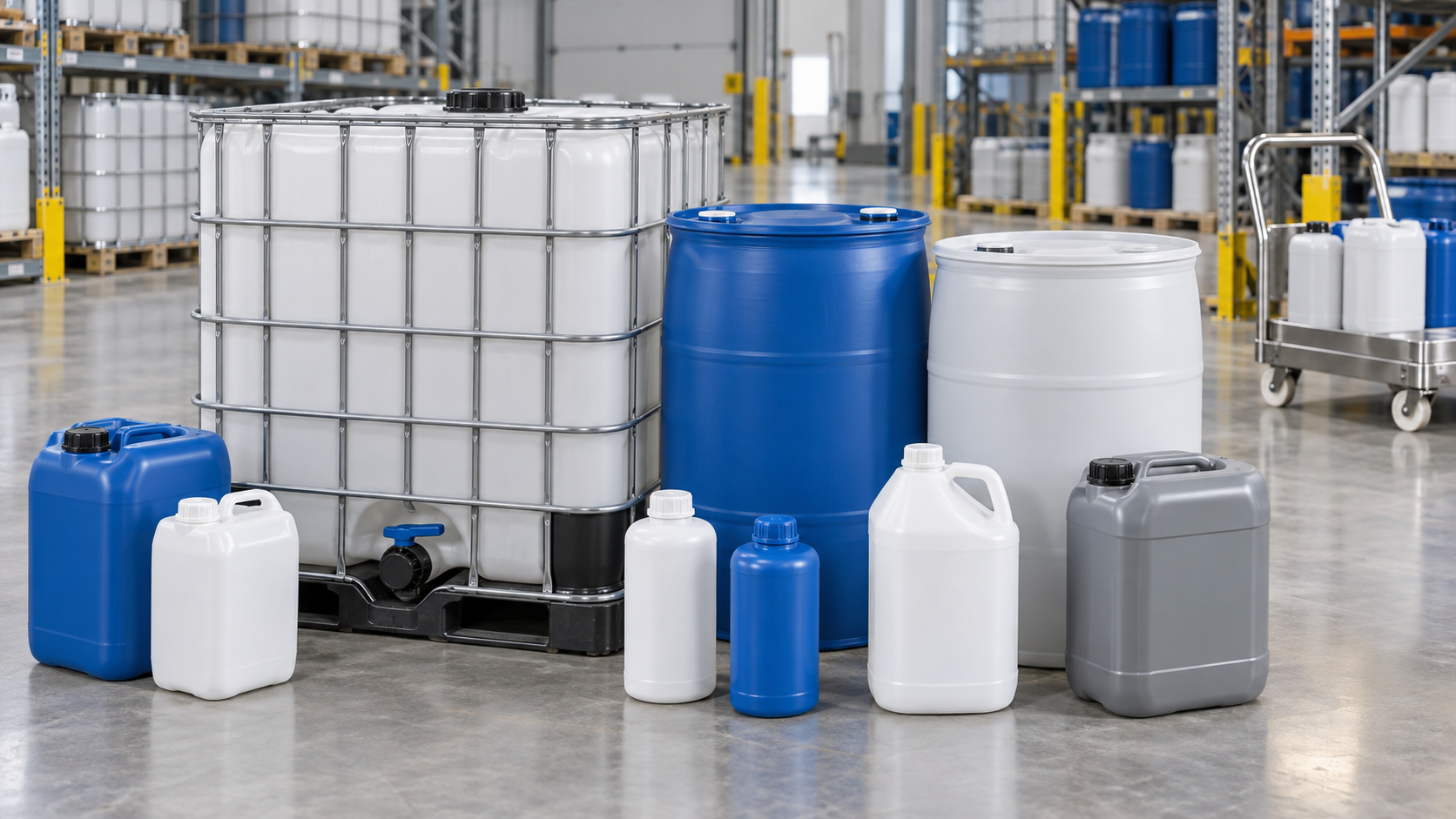
- Packaging options
- Batch identification
- Technical documentation
- Delivery capability
- Consistency between orders
- Storage guidance
For larger organizations, maintaining approved-product lists can also reduce accidental substitution.
Bengaluru's Industrial Market
Bengaluru's manufacturing, engineering, automotive and infrastructure sectors generate varied requirements for cleaning and maintenance chemicals. Industrial users may operate small workshops or large production facilities, so chemical consumption can differ substantially.
Local supply can make recurring procurement more convenient, particularly when businesses need regular replenishment.
Dharani and Company supplies industrial chemical products for businesses requiring solvents, adhesives, cleaning-related chemicals and other industrial formulations.
A Practical Purchasing Checklist
Before selecting an industrial cleaning chemical, ask:
- What contamination needs to be removed?
- What surface is being cleaned?
- What cleaning method will be used?
- What performance is required?
- How frequently will the product be consumed?
- What storage conditions are required?
- What technical documentation is available?
- Can the supplier provide consistent repeat orders?
This approach helps prevent the common mistake of choosing a chemical simply because it is described as a general-purpose cleaner.
For businesses comparing an Industrial Cleaning Chemical Supplier in Bangalore, the strongest choice is one that can provide a product appropriate to the actual cleaning task, along with dependable supply and clear technical information. A well-matched cleaning chemical can support more consistent maintenance and help industrial teams manage routine cleaning processes more effectively.


