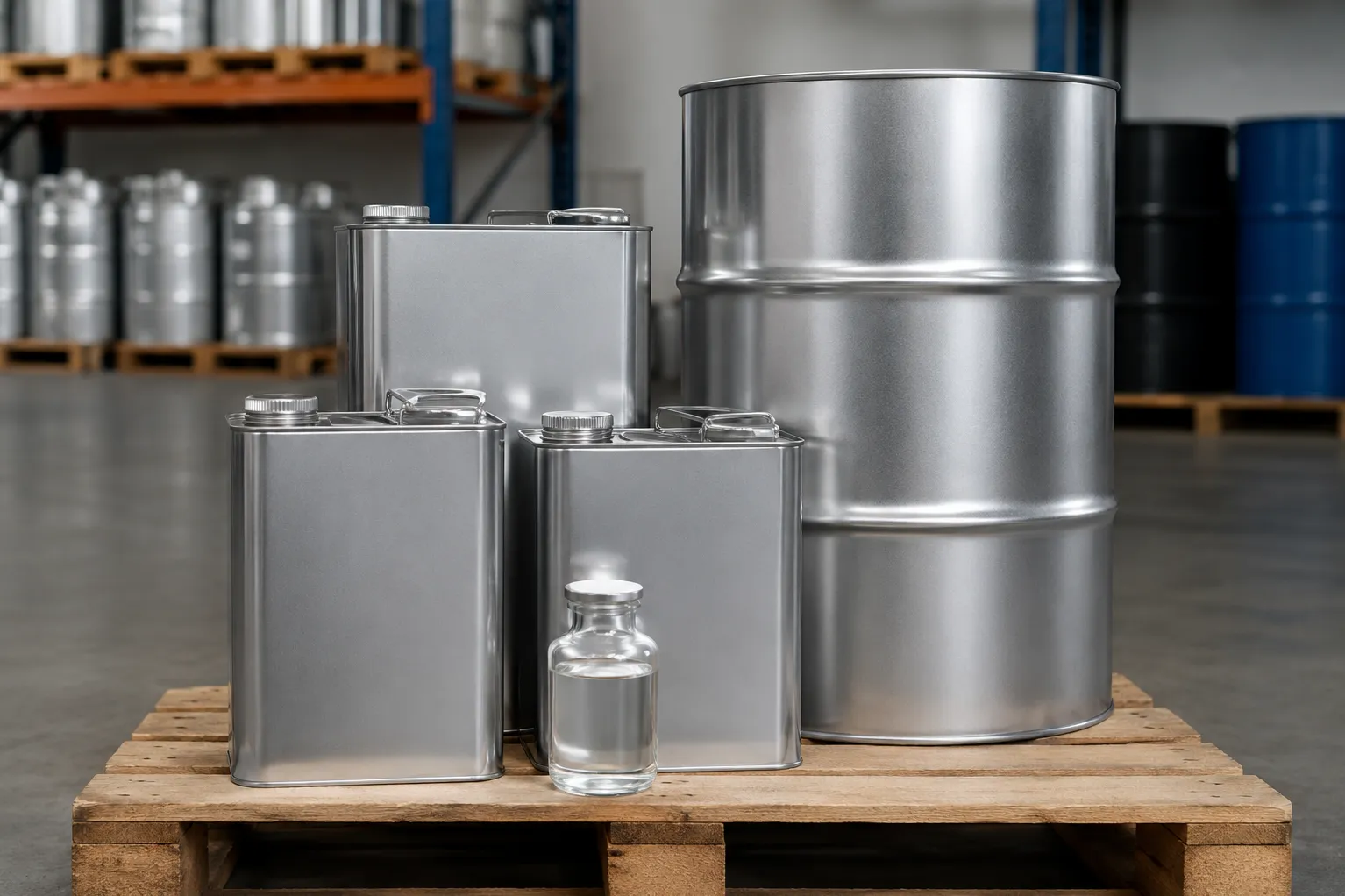
Industrial thinner is used in a wide range of manufacturing and finishing operations, but the term covers many different formulations. A thinner suitable for one coating system may produce poor results when used with another. For procurement managers and production teams, the challenge is therefore not simply finding a supplier but identifying the right solvent for the process.
If you are evaluating an Industrial Thinner Dealer in Bangalore, start by understanding your application's technical requirements.
Identify the Coating System
The first question should be: what material is the thinner being used with?
Different coating systems may require different solvent blends. The choice can influence viscosity, spray behaviour, drying time and finish quality.
Buyers should identify:
- Paint or coating type
- Resin system
- Application method
- Required viscosity
- Desired drying rate
- Surface material
- Production environment
This information provides a better basis for supplier discussions.
Application Method Makes a Difference
Thinner requirements can change depending on whether the coating is applied using spray equipment, brushing, rolling or another industrial process.
For spray applications, viscosity and evaporation characteristics can influence atomization and finish. In other applications, drying behaviour and flow may be more important.
Production teams should therefore avoid treating thinner as a generic commodity.
Why Consistency Matters
A coating process may be carefully calibrated around a particular solvent formulation. If the thinner composition changes substantially, operators may notice differences in:
- Coating flow
- Surface finish
- Drying time
- Film formation
- Material consumption
- Application behaviour
Consistent sourcing can help reduce unnecessary process adjustments.
Questions to Ask a Dealer
Before establishing a regular supply arrangement, industrial buyers can ask:
- Which coating systems is the product intended for?
- What pack sizes are available?
- Is batch identification provided?
- What are the storage requirements?
- Can recurring quantities be supplied?
- Is technical documentation available?
- How is product quality maintained between batches?
These questions help distinguish a structured industrial supplier from a general trading source.
Consider Total Procurement Cost
The cheapest thinner per litre may not be the least expensive option overall. Consumption rate, coating performance, rework and production interruptions can influence the actual cost.
A more useful evaluation considers:
Cost per usable production result = material cost + process losses + rework impact + downtime risk.
This broader view is particularly useful for factories purchasing solvents regularly.
Bengaluru's Manufacturing Environment
Bengaluru has a broad industrial base covering engineering, automotive, electronics-related manufacturing, fabrication, furniture and other production activities. These sectors can have very different solvent requirements.
This makes product specialization and application knowledge important when selecting an industrial thinner supplier.
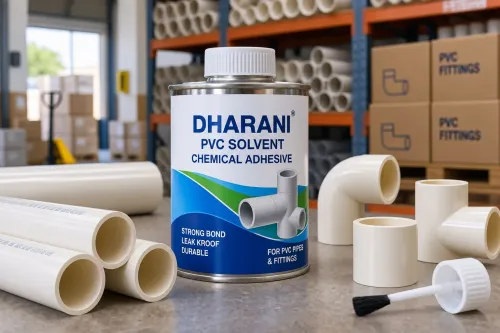
Dharani and Company operates in the industrial chemicals and adhesive segment, supplying chemical products for industrial and commercial requirements.
A Better Purchasing Process
Instead of purchasing large volumes immediately, businesses introducing a new thinner can consider a controlled evaluation:
- Define the coating application.
- Identify the required thinner characteristics.
- Test a representative sample.
- Compare application and drying performance.
- Evaluate material consumption.
- Review storage and handling requirements.
- Confirm supply capability.
- Establish regular procurement only after satisfactory results.
Choosing an Industrial Thinner Dealer in Bangalore is ultimately a process decision rather than a simple price comparison. The right supplier should provide a compatible product, consistent supply and sufficient information to support its use in the intended application.
Keywords