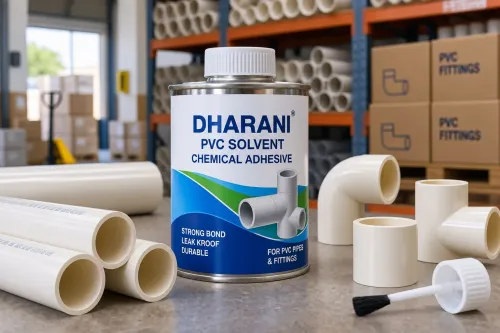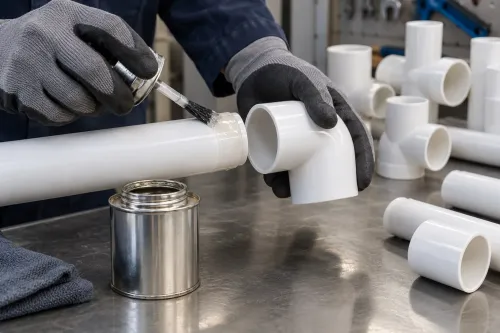
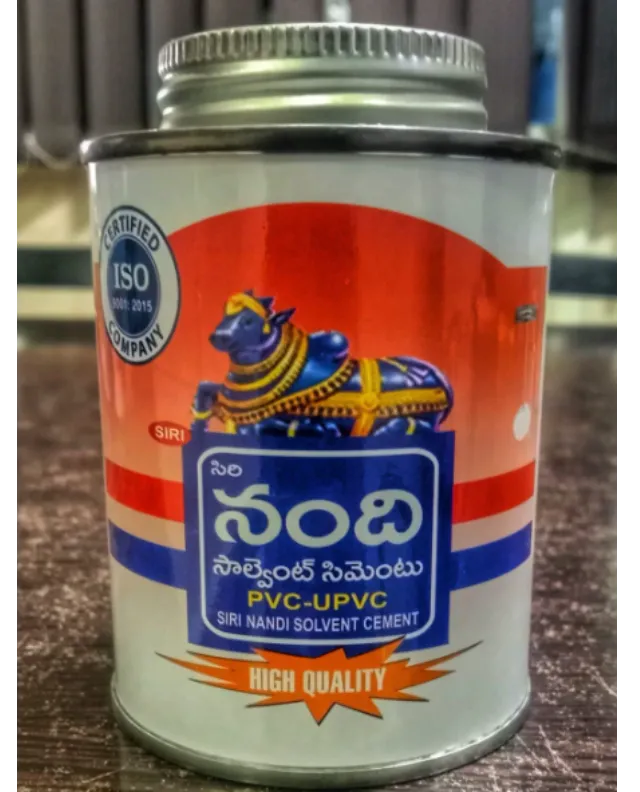
PVC solvent cement is a relatively small component in a plumbing or construction project, but a poor purchasing decision can create disproportionate problems. Incorrect product selection, poor storage or inconsistent supply can contribute to installation delays and joint-quality concerns.
For contractors, dealers and procurement managers looking for a PVC Solvent Cement Supplier in Bangalore, avoiding common purchasing mistakes can make sourcing more reliable.
1: Buying Only on Price
Price is an important procurement factor, but it should not be the only one.
A low-cost product may become expensive if it creates higher consumption, inconsistent bonding, packaging losses or rework.
Compare suppliers based on:
- Product specifications
- Packaging
- Consistency
- Available quantities
- Supply reliability
- Documentation
- Storage requirements
2: Ignoring Pipe Compatibility
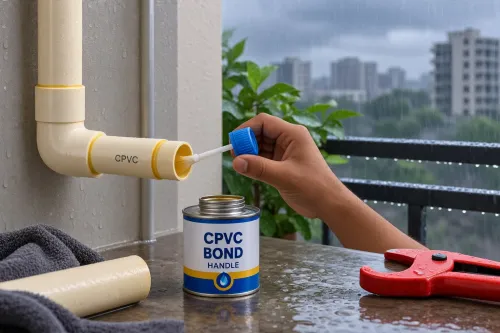
PVC solvent cement should be selected for the intended pipe and fitting system. Conventional PVC and CPVC applications can have different requirements.
Procurement teams should verify compatibility before placing bulk orders.
This is particularly important when a business supplies multiple pipe categories to contractors.
3: Overlooking Pack Sizes
Different customers have different consumption patterns. Contractors working on individual installations may require smaller quantities, while infrastructure projects may require larger volumes.
A supplier with multiple practical pack sizes can help distributors serve different customer groups without creating unnecessary inventory.
4: Neglecting Storage
Solvent-based products should be stored according to manufacturer instructions. Improper storage can affect product quality and create unnecessary handling risks.
Warehouse managers should pay attention to:
- Container sealing
- Ventilation
- Temperature
- Direct sunlight
- Stock rotation
- Chemical segregation
5: Failing to Check Batch Information
Batch identification can be useful when businesses manage recurring purchases or investigate product-related concerns.
Procurement teams should retain appropriate records of supplier, batch and purchase details.
6: Buying Without Understanding Consumption
A project may require significantly different quantities depending on pipe size, joint count, application method and installation conditions.
Historical consumption data can help procurement teams forecast requirements more accurately.
How to Evaluate a Supplier
A structured evaluation can include:
Product fit: Is the cement suitable for the intended pipe system?
Supply: Can the supplier maintain regular availability?
Packaging: Are containers secure and clearly identified?
Documentation: Is relevant technical information available?
Commercial terms: Are quantities, lead times and pricing suitable?
Support: Can application-related questions be addressed?
Bengaluru's large network of plumbing contractors, construction companies, hardware dealers and infrastructure suppliers makes reliable sourcing particularly important.
Dharani and Company serves the industrial chemicals and adhesives market, providing products relevant to businesses that need dependable chemical supply for commercial and industrial applications.
Building a Better Procurement Process
Before approving a new supplier, businesses can compare a sample or initial batch against their existing requirements. Once the product is technically accepted, regular purchasing can be based on actual consumption rather than guesswork.
For a PVC Solvent Cement Supplier in Bangalore, reliability is ultimately measured by more than a product's price tag. Consistent material, suitable packaging, predictable supply and clear technical information can help buyers reduce avoidable purchasing and installation problems.
Keywords